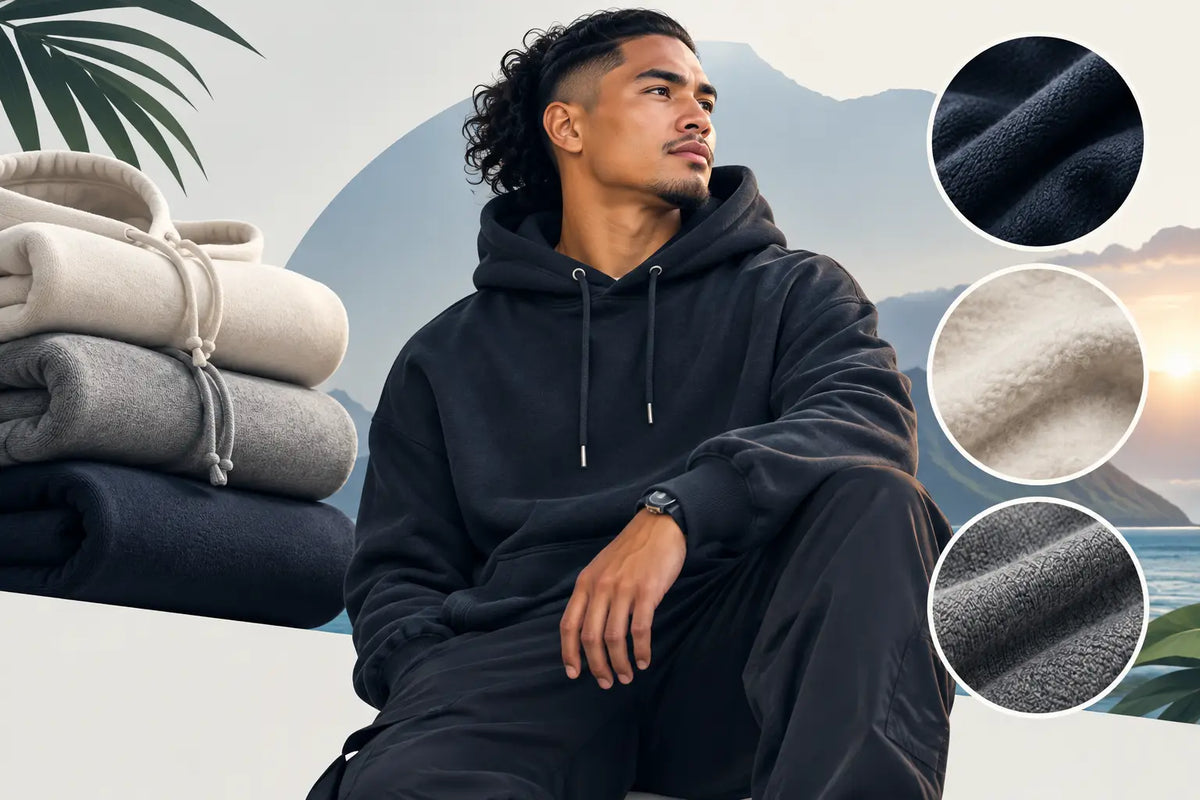


A hoodie can say you are comfortable, or it can say you are carrying yourself with intention. The difference is fit. If you are asking how should hoodies fit, start here: it should look deliberate from every angle, never like an afterthought you grabbed on the way out.
A premium hoodie is not supposed to cling, collapse, or fight the rest of your outfit. It should hold its shape, frame your build, and give you enough room to move without turning your silhouette into a blank box. Quiet work. Strong presence.
How Should Hoodies Fit? Start With the Shoulders
The shoulder seam is the fastest way to tell whether a hoodie fits as intended. On a standard or regular-fit hoodie, the seam should sit close to the edge of your natural shoulder. It can fall slightly past it for a relaxed feel, but it should not hang halfway down your upper arm unless the piece is purposefully oversized.
When the shoulders are too tight, the hoodie pulls across the chest and upper back. You will feel restricted when reaching forward, driving, or layering a jacket over it. When they are too wide without an oversized cut, the fabric loses structure. The hoodie begins to wear you instead of the other way around.
A drop shoulder is different. It is a design choice, not a sizing mistake. The seam intentionally sits lower on the arm to create a broader, more relaxed shape. Streetwear often uses this construction to give heavyweight fleece a stronger drape. The key is balance: dropped shoulders should still lead into sleeves with enough volume and a body length that feels controlled.
The Chest Should Have Room, Not Excess
A good hoodie needs ease through the chest. You should be able to wear a T-shirt beneath it, cross your arms, and move through your day without tension in the fabric. It should not pull over the graphic, zipper, or pocket area.
But room is not the same as unnecessary bulk. If the hoodie balloons at the chest or creates deep folds when you stand naturally, it is likely too large for the look you want. That can work for a deliberate, extra-oversized fit paired with narrower pants or shorts. It does not work when the rest of the outfit is already loose and shapeless.
Heavyweight hoodies often feel more substantial than lightweight fleece even at the same size. That is part of the point. Dense fabric holds a clean line and develops a more architectural silhouette. Give it room to settle. Do not size up automatically just because the garment feels heavier in hand.
Fit Check: Can You Move Without Pulling?
Put the hoodie on and do three things: reach both arms forward, raise them overhead, and sit down. A proper fit stays comfortable through each movement. The hem may lift slightly when your arms go up, but it should not expose half your torso. The chest should not strain, and the sleeves should not climb so high that the cuffs stop near your forearms.
This is where premium construction earns its place. A hoodie built with intention should move with you while keeping its form. It is made for long days, late sessions, travel, training, and whatever comes after the work nobody saw.
Get the Length Right at the Hem
For most people, the hem should land around the waistband or just below it. That length creates a clean, grounded proportion with jeans, cargos, sweats, and shorts. A ribbed hem may sit a little higher once it settles, especially on heavyweight fabric, so judge the fit while standing naturally rather than tugging it down.
Too short can make a hoodie look shrunken, particularly if it is tight through the chest. Too long can flatten your proportions and make even strong graphics disappear into a wall of fabric. If you are wearing a hoodie with a statement on the front or back, the garment needs enough structure for that message to land.
Cropped hoodies are the exception. They are designed to finish higher on the body, often at or above the waist. That can create a sharp look with high-rise pants, wide-leg denim, or layered tees. The crop has to be intentional, though. Accidental shortness is not a fit.
Sleeves Should End With Purpose
The cuff should reach your wrist bone or sit just below it. You want enough sleeve length that your wrists remain covered when your arms are relaxed, but not so much that you are constantly pushing cuffs back to use your hands.
With oversized hoodies, sleeves may stack slightly at the cuff. That is normal and can add weight to the silhouette. What matters is the cuff itself. It should feel secure, not stretched out or painfully tight. A quality cuff helps the sleeve keep its shape instead of turning into a loose tube after a few wears.
Pay attention to the upper sleeve, too. A little extra volume works well on a heavyweight streetwear hoodie because it reinforces the garment's presence. Extremely baggy sleeves paired with an equally baggy body can look unfinished unless you balance them with fitted bottoms or a clean sneaker.
Regular, Relaxed, or Oversized: Choose the Message
There is no single correct hoodie fit. There is the fit that serves the piece and the way you move.
A regular fit is cleaner and closer to the body without being tight. It works when you want an easy layer under a coat, bomber, or overshirt. It also lets tailored pants, straight-leg denim, and sharper footwear carry more of the outfit.
A relaxed fit gives you more room in the body and sleeves while maintaining recognizable proportions. This is the daily uniform fit. It looks confident with cargos, sweatpants, washed denim, and fitted caps. Comfortable enough to live in. Structured enough to show you chose it.
An oversized fit is about scale. The shoulders drop, the body widens, and the sleeves carry more volume. When done right, it feels substantial and current. When done wrong, it can look like you bought the wrong size. Keep the rest of the outfit intentional: clean pants, considered footwear, and no competing layers fighting for attention.
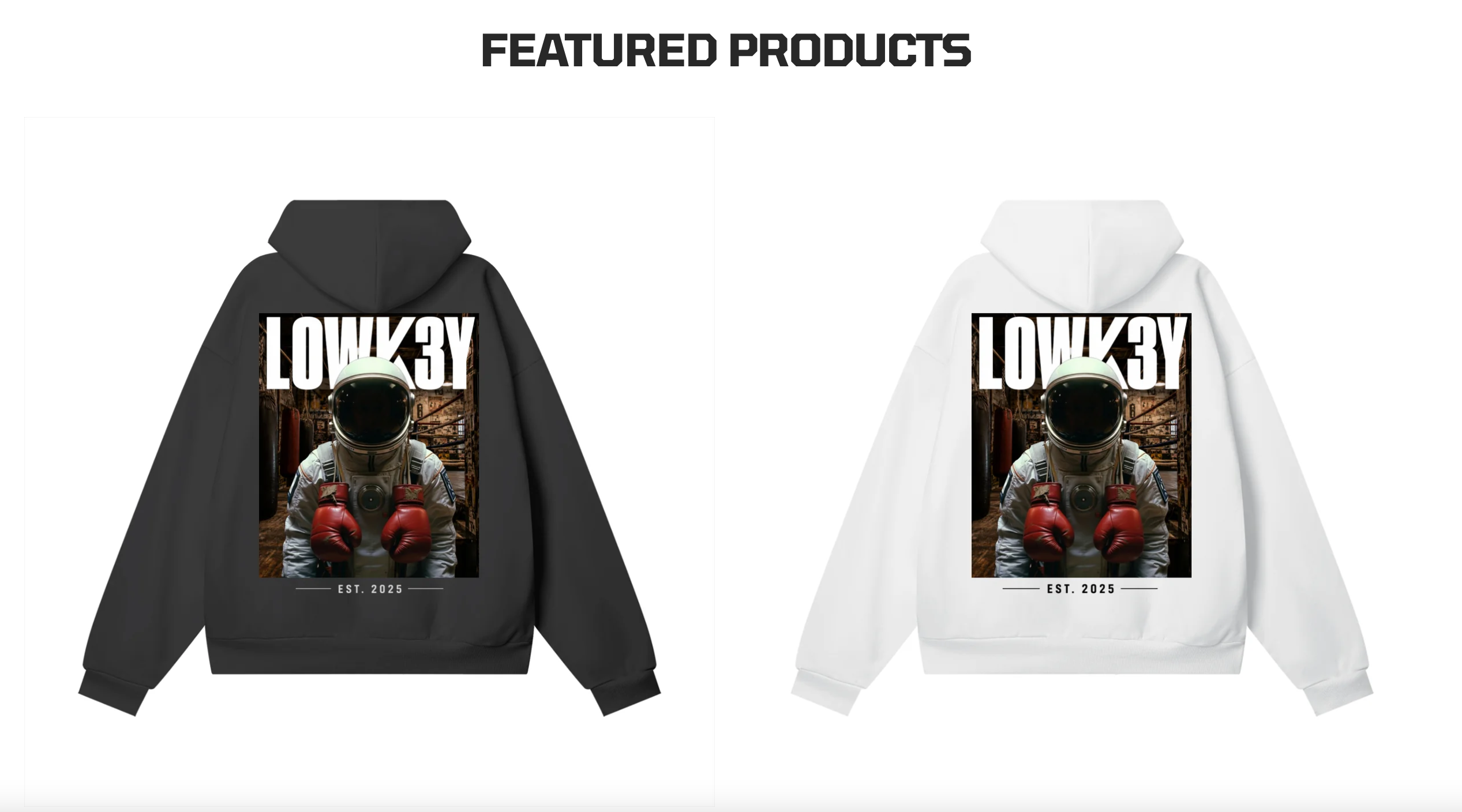
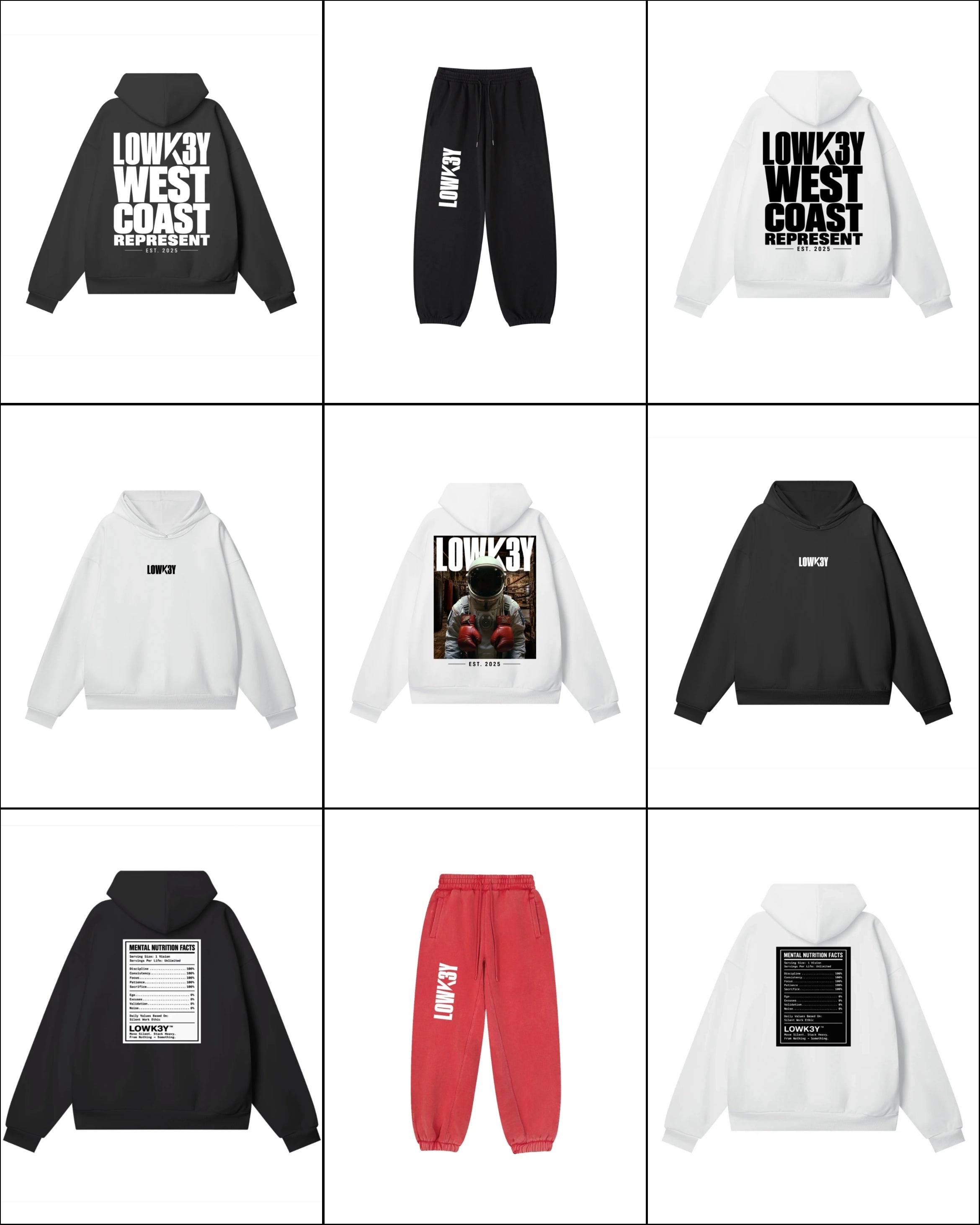
LOWK3Y heavyweight hoodies are made for that considered presence - not disposable softness that loses its shape before the season changes.
Your Bottom Half Decides More Than You Think
Hoodie fit does not live in isolation. A relaxed hoodie with slim or straight pants creates a balanced contrast. An oversized hoodie with wide-leg denim or roomy cargos can work, but only when the lengths and fabric weights are aligned. Too much volume everywhere can bury your frame.
If your hoodie is shorter and more structured, looser pants can create a strong silhouette. If it is long and oversized, a straighter bottom often keeps the outfit from drifting. There are no weak rules here, only proportions that either look deliberate or look lazy.
Shoes matter too. A heavyweight hoodie usually needs footwear with some visual weight: substantial sneakers, boots, or a clean, structured trainer. Thin, worn-out footwear can make a premium upper half feel disconnected.
Do Not Let the Hood Be an Afterthought
The hood should sit flat across your upper back when it is down, without pulling the neckline backward. When you put it up, it should cover your head comfortably and leave enough room around the face that it does not feel like a tight costume hood.
A well-built hood has shape. It stands with some presence rather than collapsing into a thin pile behind your neck. This matters on zip-through styles, too. The neckline should close smoothly without bunching or pressing into your throat.
If you layer a hoodie under a jacket, test the hood in that outfit. A large, structured hood can be a strong visual detail, but it may feel too bulky under a slim coat. That is not a failure of the hoodie. It is a signal to choose a roomier outer layer.
Use Your Measurements, Then Trust the Intended Cut
Your usual size is a starting point, not a command. Check chest measurements and garment length when they are available, especially if you are between sizes. Compare them with a hoodie you already own and actually like wearing.
Size down only if the hoodie is intentionally oversized and you want a more controlled look. Size up if you need more chest room, prefer layered outfits, or want a looser statement silhouette. Never choose a size based solely on the label. Fit is the evidence.
The right hoodie should feel like a uniform you earned. It should give you room to build, move, and stay locked in, while looking sharp enough for the moment people finally notice. Wear the size that supports the vision. Silence now. Shock them later.