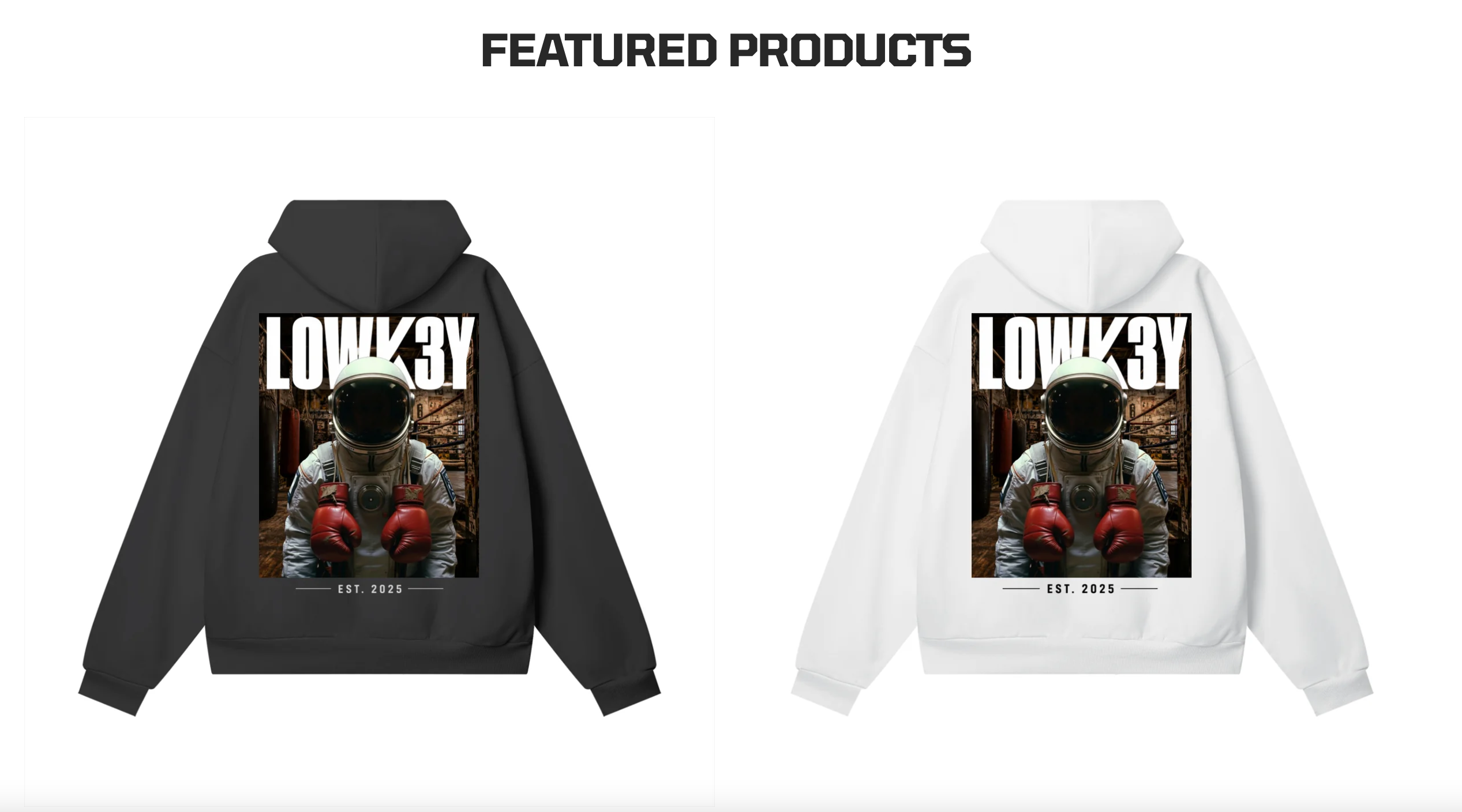
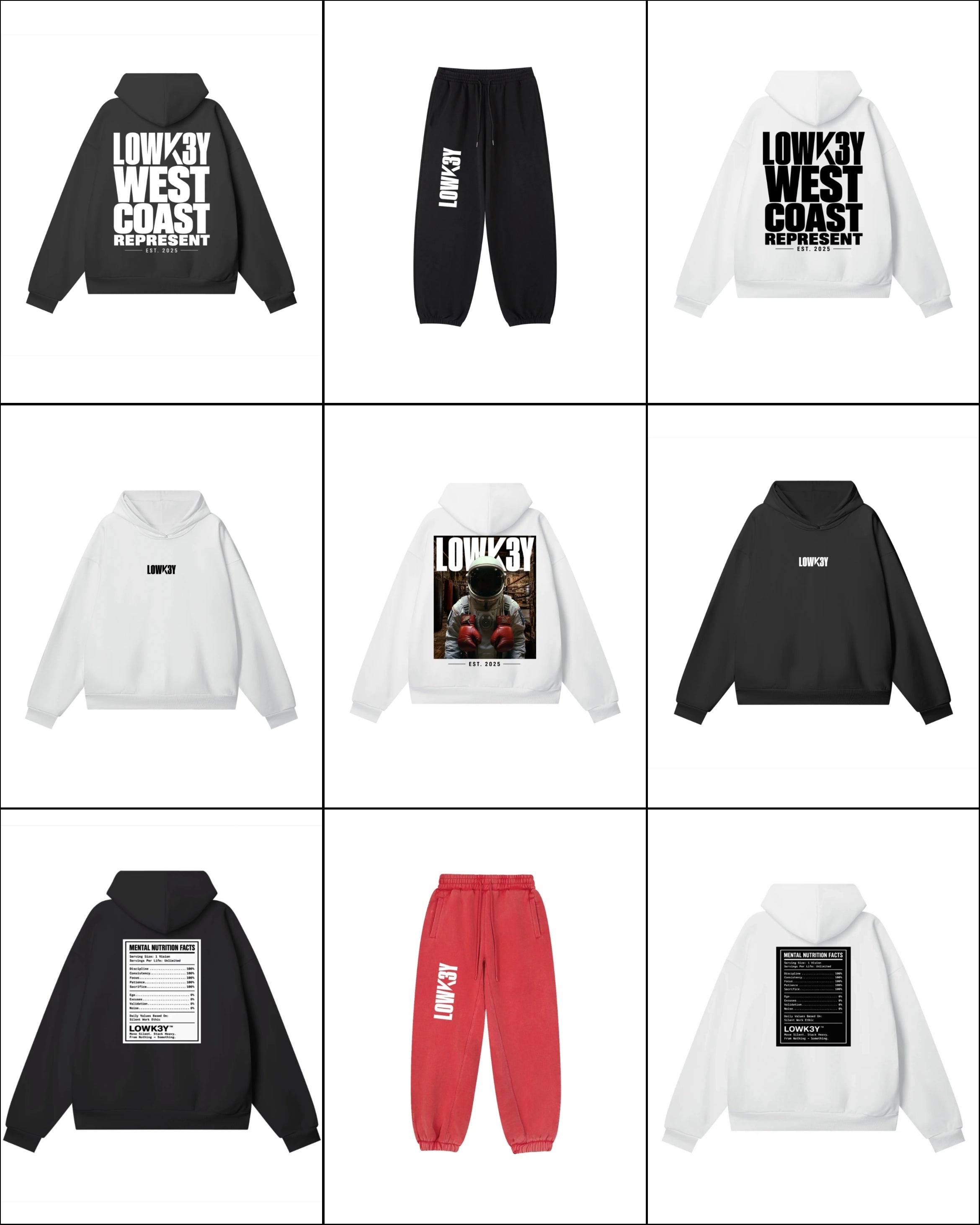


A boxy hoodie is not supposed to make you look smaller, swallowed, or careless. It is supposed to give your frame weight. So, how should a boxy hoodie fit? Wide through the body, structured at the shoulders, slightly cropped in length, and controlled everywhere else. The silhouette should look chosen, not like you grabbed the wrong size on the way out.
Boxy fit is a statement for people who move with intention. It creates presence without begging for attention. The right hoodie sits like armor for the work nobody saw. Silence now. Shock them later.
What a Boxy Hoodie Fit Is Actually Meant to Do
A boxy hoodie has a broader, straighter body than a standard or slim hoodie. Instead of tapering closely around the waist, it falls more vertically, creating a squared-off shape from chest to hem. That extra width gives heavyweight fleece room to hold its form and lets graphics, embroidery, and construction speak clearly.
The key is proportion. “Boxy” does not mean endlessly oversized. A hoodie can be wide without being long, relaxed without looking limp, and substantial without hiding your entire build. The strongest boxy fit usually has a shorter body length paired with a generous chest, dropped or relaxed shoulders, and sleeves that still finish with purpose at the wrist.
Think of it as controlled volume. You are wearing the garment. The garment is not wearing you.
How Should a Boxy Hoodie Fit at the Shoulders?
Start at the shoulders because that is where a hoodie either looks deliberate or looks off immediately. On a boxy cut, the shoulder seam can sit at the edge of your natural shoulder or drop slightly past it. That small drop creates the relaxed streetwear stance people expect from a premium heavyweight hoodie.
Too far down, though, and the upper body loses structure. If the seam lands near your bicep, the hoodie may read as simply too large unless it was explicitly designed as an extreme oversized piece. You want room to move, layer, and sit comfortably, but your shoulder line should still give the silhouette a foundation.
For broad shoulders, a boxy hoodie should feel open across the upper back and chest without pulling when you reach forward. For narrower frames, the shoulder drop should be modest. Going too wide can make the chest look collapsed, especially with thin fleece that has no body of its own.
Heavyweight fabric changes the equation. Dense fleece keeps the shoulder and hood shape cleaner than lightweight material, which is why a true boxy hoodie often looks best when it is built with substance. Weight creates presence.
The Chest and Body Should Feel Roomy, Not Empty
The body of a boxy hoodie should have visible ease. When you stand naturally, it should not cling to your chest, stomach, or lower back. You should be able to wear a tee beneath it without the outline showing through the fleece or the hem catching on your waistband.
Still, there is a difference between space and excess. If you can pull huge amounts of fabric away from your torso, or the hoodie balloons around your middle, consider sizing down or choosing a more structured cut. The goal is a clean, square line from underarm to hem, not a tent.
A good test is to look at the hoodie from the side. It should project slightly from the chest and back because of its relaxed fit, then fall with a firm, even drape. If it caves inward around the ribcage or bunches heavily at the waist, the proportions are working against you.
This is where premium construction matters. A heavier hoodie can be wider because the fabric has enough density to keep its architecture. Lighter hoodies often need a trimmer cut to avoid looking loose in the wrong way.
Length Is the Difference Between Boxy and Baggy
The hem should usually land around the top of your hip, your belt line, or just below it. That is the modern boxy sweet spot. It gives the hoodie a cropped visual effect without exposing skin or feeling like a fashion experiment you have to keep adjusting.
A slightly shorter length makes the extra width look intentional. It also gives your pants room to carry their own shape, whether you wear straight-leg denim, relaxed cargos, sweats, or tailored trousers. When the hoodie and pants both run long and wide, the outfit can lose its center.
If you are taller, do not assume you need a much longer hoodie. Look for added chest room and sleeve length first. A boxy hoodie that is too long turns into a standard oversized hoodie, and the clean, powerful shape disappears. If you have a longer torso, aim for a hem that covers the waistband but does not extend deep over the seat.
For shorter wearers, the right cropped proportion can make your legs look longer and the whole fit look sharper. Avoid sizing up just to chase width. Find a cut designed to be broad at your actual size.
Sleeves Need Volume With a Clean Finish
Boxy hoodies often use fuller sleeves to match the wider body. That is right. The sleeve should have enough room through the upper arm and elbow that it does not feel restrictive, particularly over a long-sleeve tee or thermal.
The cuff is where the discipline comes back in. It should sit at your wrist or just over the base of your hand, with ribbing that holds instead of puddling. A little stacking at the cuff is fine. A pile of fleece covering your fingers is not.
Pay attention to the forearm. If the sleeve narrows too aggressively, the hoodie can feel like a regular athletic fit with an oversized torso. If it stays extremely wide all the way down, it can look costume-like. The best version has measured volume and a rib cuff that finishes the line.
The Hood Should Hold Its Own
A weak hood can ruin a heavyweight hoodie. It should feel substantial, sit flat when it is down, and frame your head cleanly when it is up. A well-built hood has enough structure to keep its shape rather than folding into itself like an afterthought.
When you wear it down, it should rest across the upper back without pulling the neckline backward. When you wear it up, it should not squeeze your face or sag far past your eyes. Roomy is good. Uncontrolled is not.
This detail is especially important with graphic hoodies. The hood and neckline create the frame for the chest artwork. If they collapse, the full piece loses impact.
Choose Your Size Based on the Look, Not the Tag
Sizing labels are not universal. A medium in one brand can fit like a large in another, and a hoodie marked oversized may already include the width you would normally try to create by sizing up. Measurements and product fit notes matter more than your usual tag.
If the hoodie is already cut boxy, your regular size is usually the right place to start. Choose one size up only if you want a more dramatic, layered look and can keep the sleeves and length under control. Size down only when the body width is overwhelming or you prefer a cleaner, closer silhouette.
Your intended styling also matters. Over a tee, a true-to-size boxy fit should feel easy and sharp. Over a thermal, flannel, or light jacket, you may need more room through the arms and chest. But do not sacrifice length just to make layering happen. A boxy hoodie earns its shape through balance.
Build the Rest of the Fit Around the Hoodie
A boxy hoodie works best when the rest of the outfit respects its proportions. Straight-leg jeans, relaxed work pants, cargos with a controlled taper, and clean sweatpants all create a grounded lower half. Slim jeans can work, but the contrast needs confidence. The hoodie will feel bigger, and that may be exactly the point.
Keep footwear substantial enough to balance the silhouette. Sneakers with some shape, boots, or a clean, solid sole usually land better than ultra-minimal shoes. Add a fitted cap or beanie if it fits your personal uniform, but let the hoodie remain the center of gravity.
For an elevated streetwear look, avoid piling on oversized pieces without a plan. Wide hoodie, wide pants, huge outerwear, and bulky accessories can compete with each other. One strong volume is a choice. Four competing volumes are noise.
At LOWK3Y, the standard is not loud for loud’s sake. A heavyweight statement hoodie should feel crafted with intention, built to last, and ready to carry the message before you say a word.
The Mirror Test That Settles It
Put the hoodie on, stand naturally, and check three things: the hem sits around your hip, the cuffs stay near your wrists, and the body looks wide without looking bottom-heavy. Then turn sideways. If the fabric falls with structure instead of hanging like extra laundry, you are there.
The right boxy hoodie fit should make you stand taller, not spend the day pulling at it. Wear the piece that lets the work stay private and the presence stay undeniable. Stack heavy. Move quiet. Let the fit speak when the results arrive.