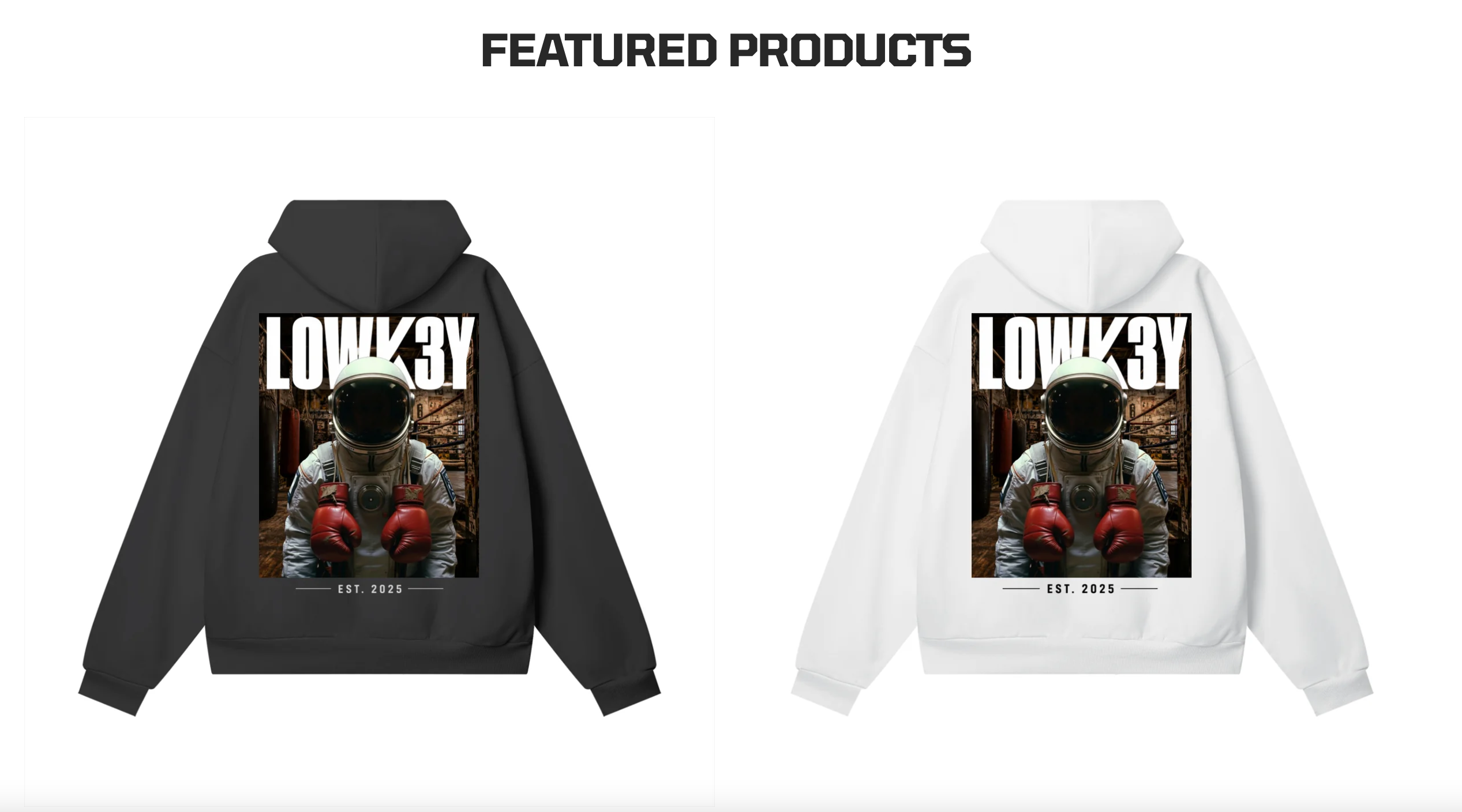
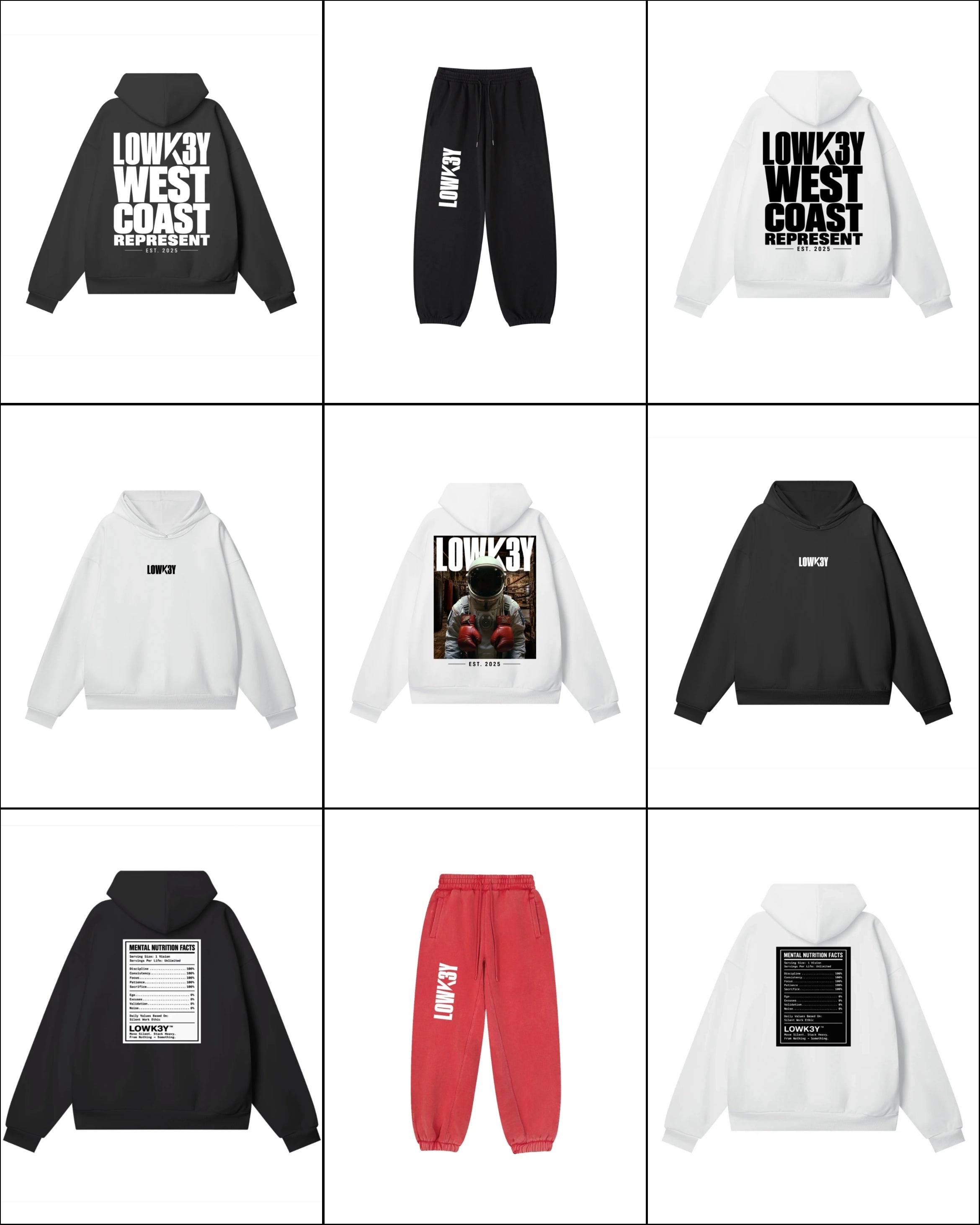


A hoodie earns its place when the day runs long, the weather turns, and you still need to look like you came prepared. This premium hoodie review is not about chasing a label or paying more for a basic layer. It is about recognizing the difference between disposable comfort and a piece built to carry your standards.
The right hoodie is not background noise in your closet. It becomes part of the uniform: early flights, late sessions, cold gyms, city walks, quiet work nobody sees yet. Stack heavy. Move with purpose. Wear something that holds its shape while you build yours.
What a Premium Hoodie Review Should Actually Measure
Price gets attention, but construction tells the truth. A premium hoodie should feel intentional before you even put it on. That starts with fabric weight, continues through the cut and stitching, and ends with how the garment looks after repeated wear and wash cycles.
A hoodie can be soft on day one and still fail the test. Thin fleece pills. Weak ribbing stretches out. A shallow hood collapses. A graphic cracks before the season changes. Premium is not a word printed on a product page. It is the accumulated evidence that a garment was made for more than one good photo.
The best pieces balance comfort with presence. They have enough weight to drape with authority, yet enough mobility to wear beyond the couch. They do not need oversized logos to announce themselves. A strong silhouette, a considered colorway, and a statement that means something can do more than a loud luxury mark ever will.
Start With the Weight
Heavyweight fleece is often the first signal that a hoodie belongs in a higher tier. The added density creates structure. It helps the body of the hoodie hang cleanly instead of clinging, and it gives the hood a better chance of holding its form.
That weight also changes how the garment wears over time. A substantial fleece tends to feel more protective and more grounded, especially in fall, winter, and cool spring weather. It can stand on its own as an outer layer instead of acting like a thin sweatshirt under a jacket.
Still, heavier is not automatically better for everyone. If you live in a warm climate, commute on foot, or run hot, an extremely dense hoodie may sit in your rotation less often. The move is not to chase the heaviest number. Choose weight that matches your actual life. A premium piece should get worn, not stored because it is too much for the setting.
Fit Is a Statement Before the Graphic Is
Fit decides whether a hoodie looks collected or careless. A premium cut should give room through the chest and body without becoming a shapeless box. Dropped shoulders can create a relaxed streetwear profile, while a slightly cropped or tightened hem can keep the look deliberate.
Pay attention to sleeve length and cuff tension. Sleeves that stack slightly at the wrist can look right. Sleeves that swallow your hands when you are standing still usually mean the proportions are off. The same goes for the body length. Too long, and the silhouette loses its edge. Too short, and layering becomes difficult.
There is no universal best fit. A clean, true-to-size hoodie works for people who want an athletic, composed outline. An oversized fit gives more presence and layers easily over tees and thermal pieces. The point is clarity. Know what the garment is designed to do before you size up just because the internet says to.
Premium Hoodie Review: Details That Separate Real Quality
The details are where a hoodie either backs up its price or gets exposed. Turn it inside out. Look at the stitching around the shoulders, armholes, pocket openings, and hood attachment. Clean, reinforced seams matter because those are the places a hoodie gets pulled, stretched, and tested.
Ribbing deserves more attention than it gets. Quality cuffs and waistbands should recover after wear rather than stay loose and tired. A strong rib helps preserve the intended shape, especially on heavyweight garments. When the hem loses tension, even expensive fleece starts looking defeated.
The hood should have depth. A well-built hood frames the head instead of sitting flat between the shoulder blades. It should feel substantial enough to wear up when the temperature drops, not like an afterthought attached to the neckline.
Pockets are also a practical test. A traditional kangaroo pocket needs clean access and durable corners. Hidden pocket accents add another level of function for daily essentials, especially when you are moving through the city and prefer to keep your carry close without advertising it. The feature should be useful, not gimmicky.
Graphics Need Staying Power
Streetwear lives through visuals, but the visual only matters if it lasts. Premium graphic work should feel integrated with the garment rather than stamped onto it at the last minute. Print placement needs balance. A message across the chest should sit where the body naturally reads it, while back graphics need scale without turning the wearer into a billboard.
The strongest statements are direct because they do not need to explain themselves. “No College, Still Made It” means something to the person who took an unconventional route and kept going. “From Nothing To Something” hits differently when it is not a slogan to you, but a record of what you survived.
A graphic hoodie is not for every room, and that is the trade-off. Statement pieces carry more identity, which means they may not replace a plain black layer for formal or low-profile settings. But a wardrobe with no point of view is easy to forget. Keep both. Use the quiet piece when the moment calls for restraint. Use the statement piece when the uniform needs a pulse.
Does the Price Match the Purpose?
A premium hoodie can cost significantly more than a mall sweatshirt. That gap only makes sense when the garment delivers a better experience across fabric, fit, finishing, design, and longevity. It also makes sense when the piece carries limited-production or collectible value that aligns with how you buy streetwear.
Not every expensive hoodie is premium. Some charge for hype, celebrity proximity, or a logo that has already done the marketing. The better question is simpler: would you still want to wear this if nobody knew what it cost?
If the answer is yes, you are closer to a smart purchase. If it feels substantial, fits with intention, communicates something real, and survives your routine, the cost per wear begins to make more sense. A hoodie worn twice a week for two years has more value than a cheaper one that loses its form after a month.
LOWK3Y approaches this category as more than seasonal apparel. Heavyweight fleece, direct statements, considered features, and collector-minded drops turn the hoodie into a marker of private effort. It is designed for the ones who do not need applause while the work is still in progress.
How to Judge It Before You Commit
Read the specifications, but do not stop there. Look for fabric composition, garment weight when provided, fit notes, care instructions, and close images of the cuffs, hood, seams, and print. Product descriptions should tell you enough to understand what you are paying for.
Then think about your own rotation. Do you need a daily neutral, a hard-wearing travel layer, or a statement piece for the days you want your clothes to say what you will not? Those are different jobs. Buying with a purpose keeps premium pricing from becoming impulse spending.
Care matters, too. Cold washing, turning graphics inside out, and avoiding high heat will protect fleece texture, print quality, and ribbing. A garment built to last still needs an owner who treats it like it matters.
The Hoodie Should Match the Work
The best premium hoodie does not ask for attention. It earns it slowly: in the way the fabric holds up, the way the hood sits, the way the message still feels true after the first wear becomes the fiftieth.
Choose the piece that fits your pace, not someone else’s hype cycle. Let it be heavy because your standards are heavy. Level up in silence. Then let the results make the introduction.