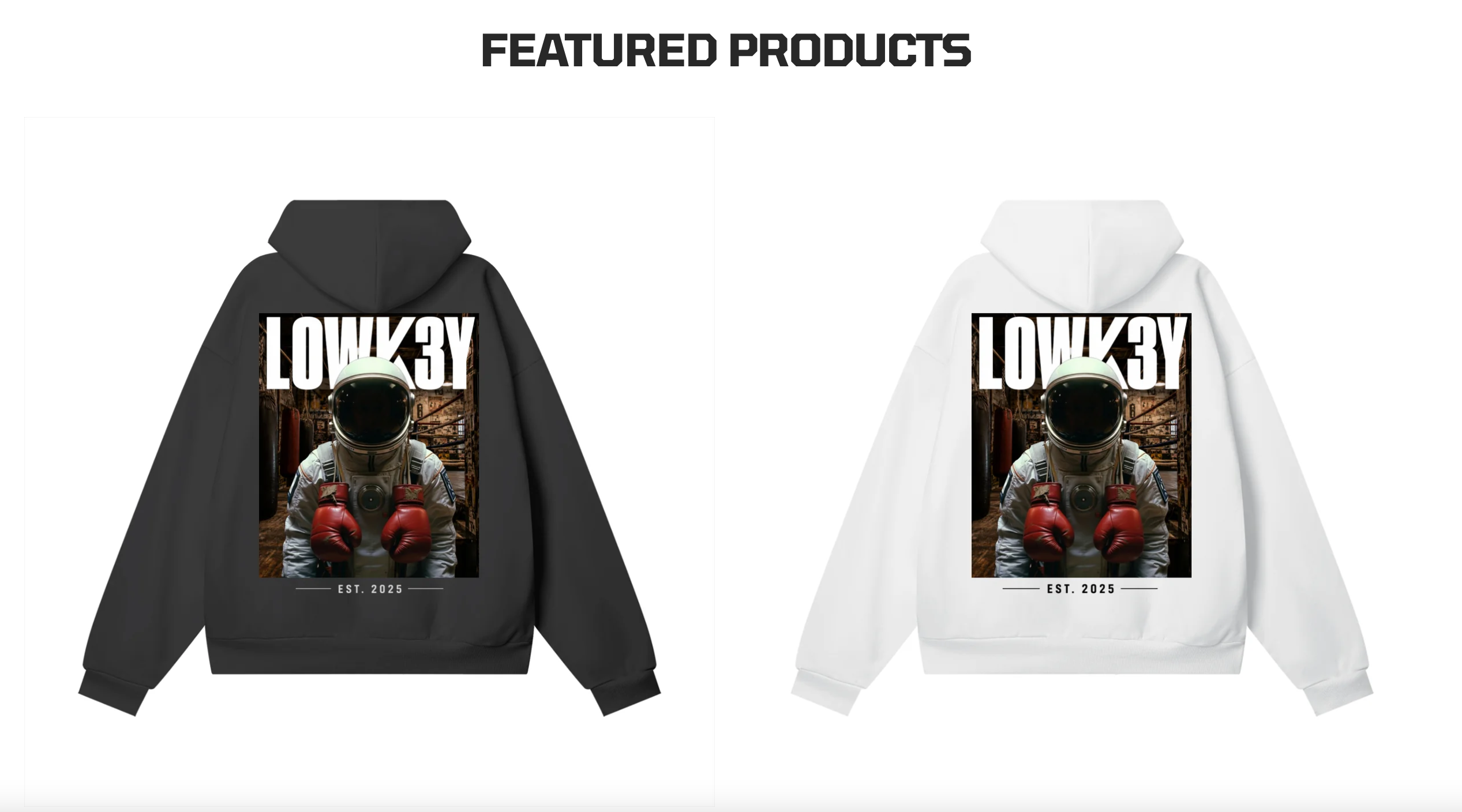


A creative uniform has to survive more than a mirror check. It has to carry you through early studio sessions, client calls, cold commutes, editing marathons, and the work nobody sees before the work gets noticed. The best hoodies for creative professionals are not throwaway layers. They are dependable pieces with weight, shape, purpose, and enough presence to say you take your craft seriously.
You do not need a closet full of noise. You need a hoodie that feels right when you are building in private and looks even better when the results go public.
What Creative Professionals Need From a Hoodie
Creative work rarely stays in one room. A producer may move from a home setup to a session. A designer can start at a coffee shop, take a meeting, then stay up refining a deck. A founder might spend the day between a workspace, a warehouse, and a dinner where the next opportunity is sitting across the table.
That pace calls for clothing with range. A good hoodie should feel comfortable enough for long hours, structured enough for real-world movement, and intentional enough that you do not look like you gave up when you got dressed. Comfort matters, but sloppy is not the same as relaxed.
The right piece should also age well. Creative professionals build portfolios, businesses, catalogs, and communities over time. Their clothing should not lose its shape after a few wears or become disposable by the next season. Buy less. Choose pieces that earn repetition.
The Best Hoodies for Creative Professionals Start With Weight
Lightweight hoodies have their place, especially for warm weather or training. But for an everyday creative uniform, heavyweight fleece changes the equation. It gives the garment structure, creates a stronger silhouette, and brings a sense of permanence that thin fabric cannot fake.
A heavyweight hoodie should feel substantial without becoming stiff. Look for a dense fleece that holds warmth during late nights and cold city mornings, while still allowing you to layer a tee beneath it. The fabric should fall cleanly from the shoulders instead of clinging or collapsing around the torso.
Weight is also visual. A hoodie with real substance reads differently in a room. It looks considered. It carries graphics better. It keeps its form when paired with denim, cargos, work pants, or tailored outerwear. That matters when your personal style is part of how people remember your work.
There is a trade-off. The heaviest fleece can be too warm for packed venues, hot studios, or summer travel. If your schedule keeps you indoors and active, a midweight option may be smarter. The goal is not maximum bulk. The goal is the right level of authority for how you move.
Prioritize a Fit That Holds Its Shape
Fit decides whether a hoodie becomes a uniform or stays on the chair. For most creative professionals, an oversized-but-controlled fit works best. You want room through the body and shoulders, but not so much fabric that the hoodie looks borrowed or unbalanced.
Pay attention to the hood, cuffs, and waistband. A strong hood frames the face and sits properly when down. Ribbed cuffs should recover after being pushed up all day. A firm waistband helps the garment keep a clean line instead of stretching into a tired, shapeless hem.
Length matters, too. A cropped fit can work with high-waisted pants or a deliberate fashion-forward look, but it is not always practical for everyday wear. A slightly longer, relaxed body tends to be more versatile. It layers easily and does not expose your waist when you reach for equipment, sketch on a wall, or move through the day.
Design Should Say Something Without Explaining Everything
Creative people understand the difference between attention and impact. A hoodie does not need a giant logo to be memorable. It needs a point of view.
The strongest statement graphics carry an idea, not just a decoration. They can signal resilience, self-belief, independence, regional pride, or a willingness to build outside the approved path. That is why phrases with real pressure behind them hit harder than generic motivational language. The right message becomes part of your presence, not a costume for it.
Choose graphics you can stand behind when the room gets quiet. If it feels like something you would say only for a photo, leave it. If it reflects how you work when nobody is watching, it has staying power.
Color plays a role here. Black, washed charcoal, cream, deep navy, and muted earth tones are easier to repeat and layer. They let the fit and graphic do the work. A brighter colorway can be the move when it is intentional, but it should feel like a choice, not a distraction.
Details Separate a Good Hoodie From a Daily Essential
Small construction choices become obvious after repeated wear. Pockets should be useful, not just decorative. A clean kangaroo pocket is classic, while hidden pocket accents offer extra security for cards, keys, earbuds, or whatever stays on you while you work.
A zip-through hoodie brings another kind of versatility. It lets you regulate temperature, show the layer underneath, and shift from relaxed to sharper styling without changing your whole outfit. Pullover hoodies usually create a stronger, more uninterrupted graphic statement. Neither is better across the board. Choose based on how you actually dress and where you spend your time.
Look for durable stitching, clean print application, and fabric that feels good on the inside as well as the outside. A garment can look powerful on a product page and still disappoint if the fleece pills immediately, the graphic cracks, or the neckline loses shape. Premium pricing should show up in the hand feel, the construction, and the number of times you want to reach for it.
This is where collectible streetwear earns its place. Limited production and art-led design can make a hoodie feel like more than a seasonal purchase, but scarcity alone is not value. The piece still has to be wearable. The best collectible garments are the ones you protect because they matter, then wear because they are too good to leave behind.
How to Build a Hoodie Rotation That Works
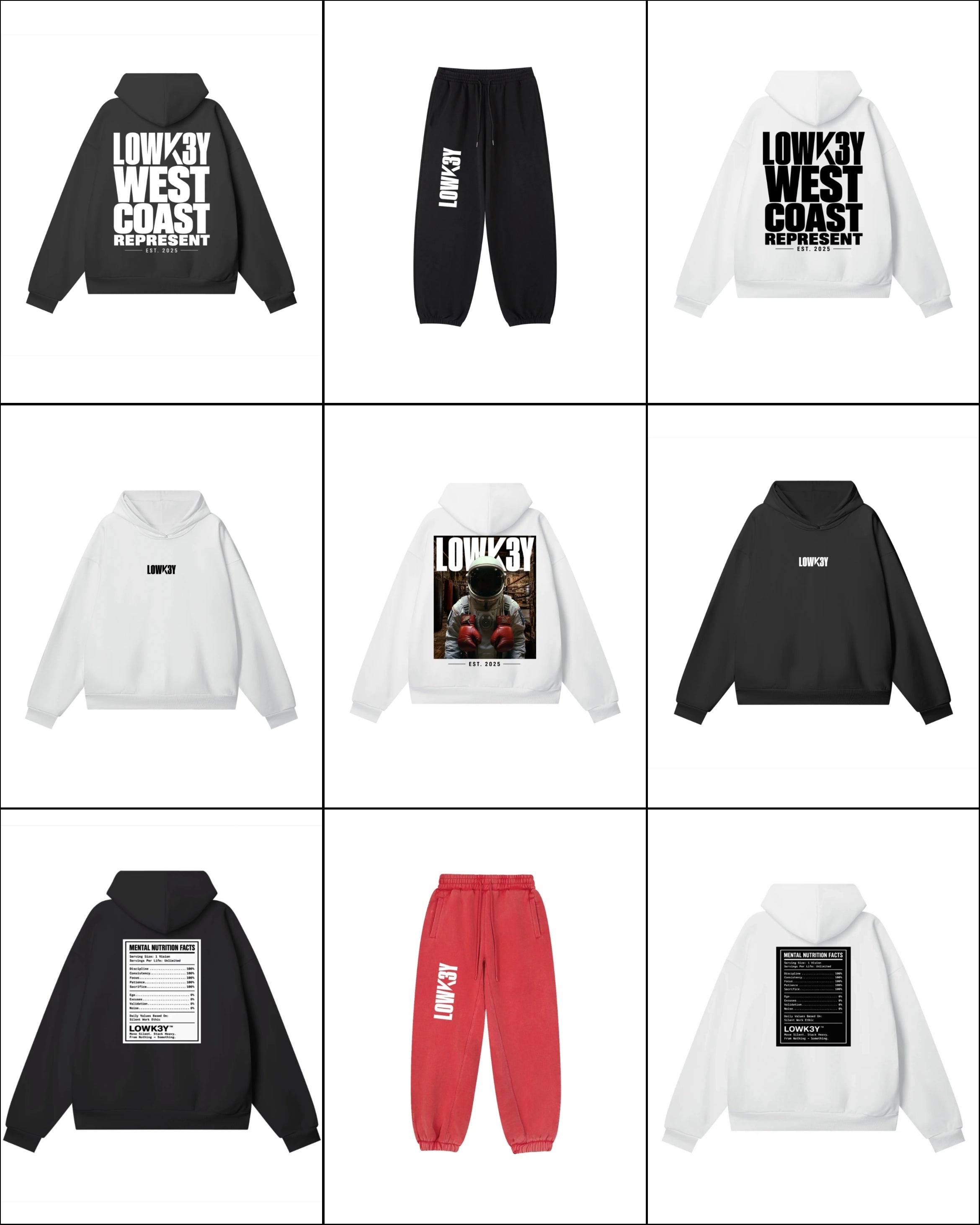
A practical rotation does not need to be huge. Start with one dark heavyweight pullover that can carry most of the week. Add a zip-through in a neutral tone for layering and travel. Then choose one statement hoodie that brings more energy when you need to make an entrance, take a meeting, or remind yourself what you are working toward.
Style them with intention. A heavyweight hoodie under a structured jacket gives you a clean contrast between streetwear and polish. With relaxed denim and quality sneakers, it becomes an easy uniform for studio days. Pair it with straight-leg work pants and a cap or beanie when you want the look to feel more grounded than styled.
Avoid turning every piece into a statement at once. If the hoodie has a bold graphic, let the rest of the outfit breathe. If you are wearing louder pants or standout footwear, a clean hoodie creates balance. Personal style is not about wearing every good idea at the same time.
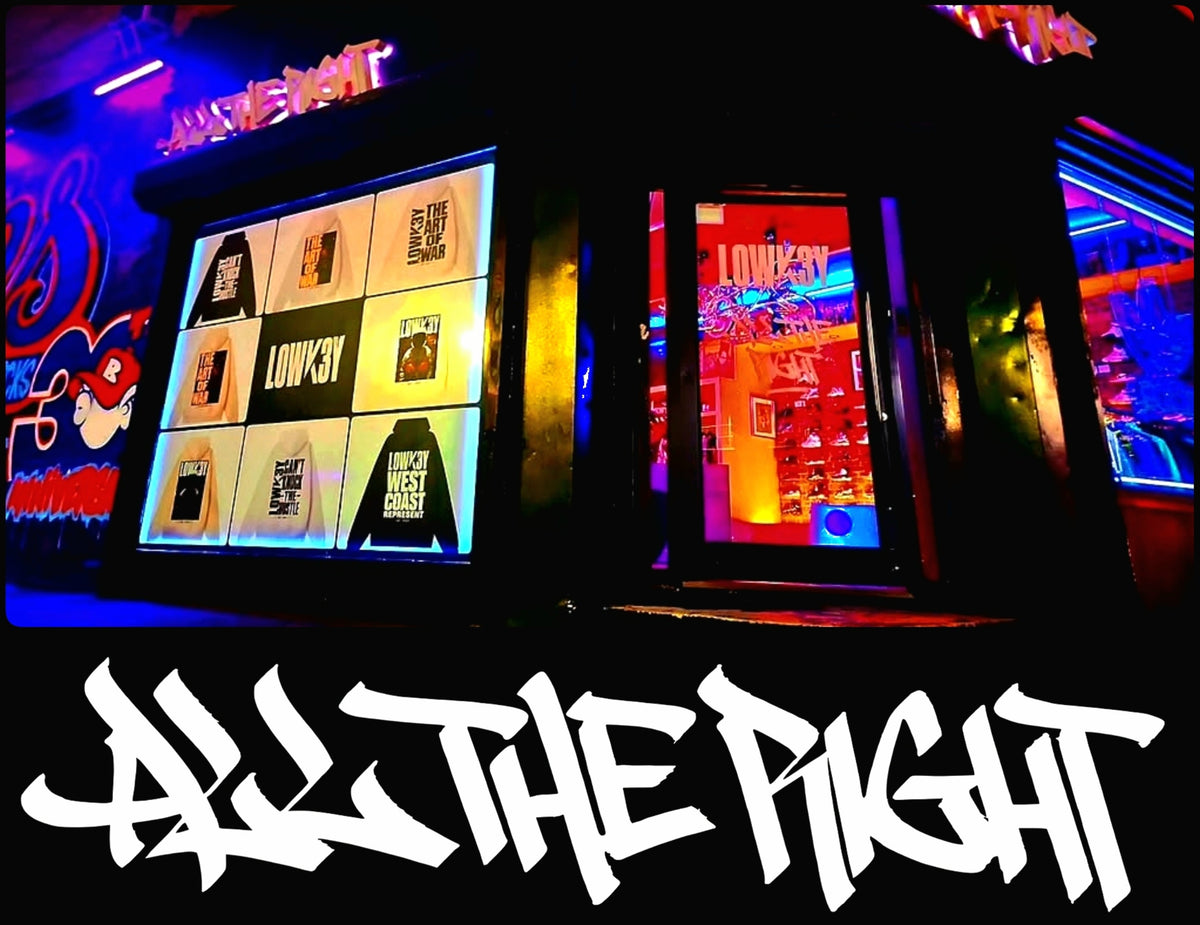
LOWK3Y approaches the hoodie as a badge of private work and public results: heavyweight, statement-led, and built with collector-minded intention. That mindset is the standard worth holding, whether you are choosing one piece or building a full rotation.
Wear the Work Before the Applause
The best hoodie is not the one that gets the quickest compliment. It is the one you keep wearing while the ideas are still rough, the invoices are still unpaid, and the bigger picture is still invisible to everyone else. Choose weight. Choose construction. Choose a message with conviction.
Then get back to work. Silence now. Shock them later.