

A real collectible fashion buying guide starts before the countdown timer hits zero. The right piece is not just scarce. It carries weight in the hand, conviction in the graphic, and a point of view you will still stand behind after the noise moves on. Buy what speaks to your work ethic, your taste, and the life you are building - not what strangers say will flip fastest.
Streetwear has always had its artifacts: the hoodie from a pivotal drop, the cap that marked an era, the collaboration that never came back. But plenty of “limited” clothing is only limited because it was made in small numbers. That alone does not make it worthy of your closet, your shelf, or your money. Real collection starts with discernment.
Start With Meaning, Not Hype
Ask one direct question: would you want this if nobody knew you owned it?
That question separates personal style from borrowed excitement. A collectible garment should say something without asking for approval. Maybe it marks a season when you bet on yourself. Maybe the message reflects your code: no shortcuts, no permission needed, no need to narrate every move. Maybe the silhouette simply fits your uniform better than anything else.
Hype can introduce you to a piece. It should not make the final decision. Trends are fast. Identity lasts. The strongest collections are built by people who recognize their own taste early, then keep refining it.
For statement-driven streetwear, the graphic matters beyond visual impact. Look at the words, the placement, the type, and the restraint. Is the message specific enough to hold meaning? Does it feel like a temporary slogan or a line you can live in? A piece that represents private effort and public results has more staying power than one chasing a momentary punchline.
The Collectible Fashion Buying Guide to Quality
Collectibility without construction is just packaging. When the rush of the drop is over, quality decides whether a garment earns repeat wear.
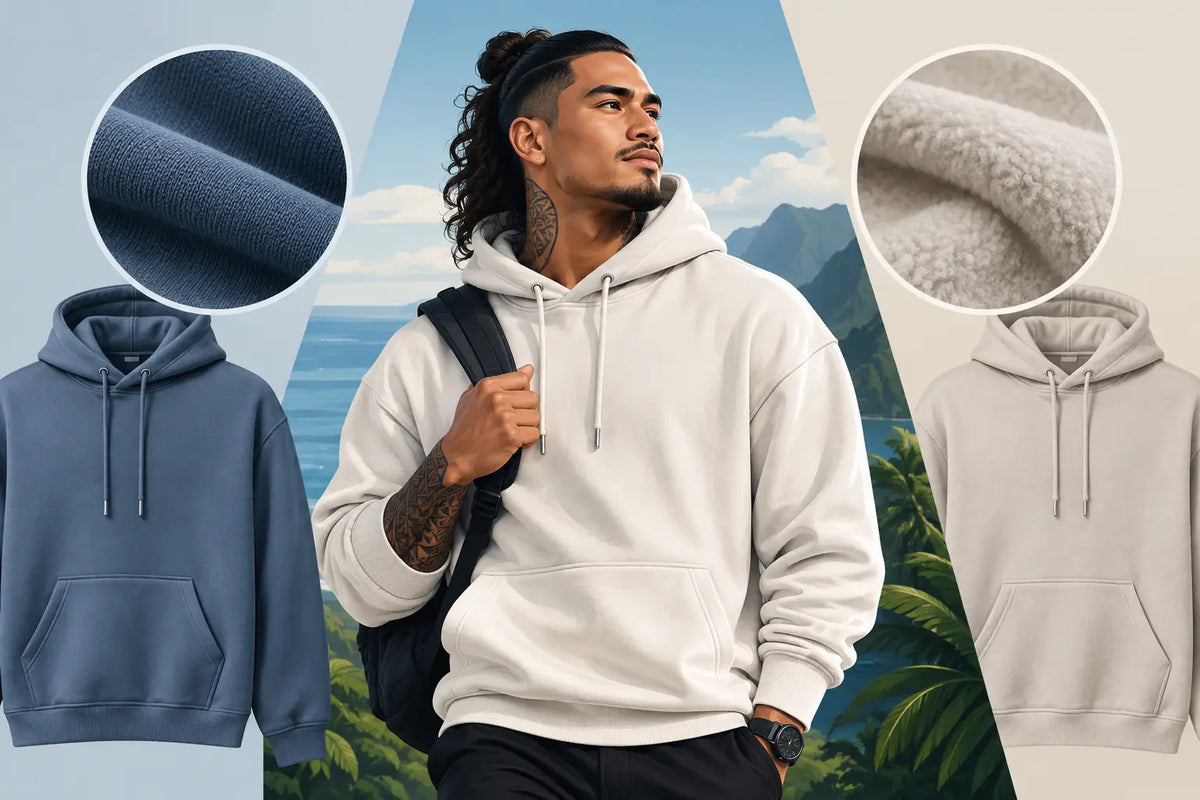
Start with the fabric. A heavyweight fleece hoodie should feel substantial, but weight alone is not the whole story. Check whether the fabric has structure, whether the interior feels comfortable against skin, and whether the outer face is clean enough to keep its shape. A thin hoodie can be intentional for layering or warm weather. It simply should not be priced and positioned like an heirloom heavyweight piece.
Then study the details. Ribbing at the cuffs and hem should recover instead of stretching out after a few wears. Seams should sit clean and consistent. A zip-through hoodie deserves a smooth, solid zipper that does not buckle the fabric. Pockets should be useful, not an afterthought. Hidden pockets, reinforced openings, a properly shaped hood, and a controlled oversized fit can turn a familiar staple into something worth returning to.
Print quality matters just as much. Feel the graphic when possible. A good print should look intentional and integrated with the garment, not like a stiff layer waiting to crack. Embroidery should be dense and clean, without loose threads or warped lettering. Distressing, fading, and wash treatments can add character, but only when they feel designed rather than used to disguise weak materials.
A collector does not confuse loud details with good details. Craft shows up in the places most people skip: the collar line, the side seam, the inside label, and the way a garment holds its form after a long day.
Understand What Makes a Piece Scarce
Scarcity is a signal, not a guarantee. A numbered edition, a short production run, a one-time colorway, or a date-specific release can all strengthen a piece’s collector appeal. Still, ask what the limitation actually means.
Was the item made in a clearly stated quantity? Is it tied to a meaningful moment, artist concept, or brand chapter? Is the colorway likely to return? Does the brand have a consistent record of respecting its own editions? Clear answers carry more weight than vague claims of exclusivity.
There is also a trade-off. The rarest garment is not always the best garment for you. If you plan to wear it hard, a more accessible core piece may serve you better than an archive-level item you are afraid to take outside. Build both lanes if your budget allows: pieces you wear into your story and pieces you preserve with care.
Do not buy five mediocre “limited” items when one exceptional hoodie can become part of your signature. Stack with intention. A small collection with standards will always feel stronger than a closet built on impulse.
Check Authenticity Before You Pay
The more desirable a piece becomes, the more carefully you need to buy. This matters most in resale, private transactions, and older drops where original product pages are gone.
Study the seller’s photos, not just the listing description. You want clear images of the front, back, neck label, care label, print, stitching, hardware, and any edition markings. Ask for proof of purchase when it is reasonable. Compare the item against known product details, including measurements, color, label placement, and graphic scale.
Be cautious with prices that feel unreal. A bargain can happen, but an unusually low price should make you slow down, not speed up. Missing tags do not automatically mean an item is fake, and worn condition does not automatically mean it is worthless. The full picture matters: seller history, photos, construction, provenance, and whether the story adds up.
Keep your own records once you buy. Save receipts, order confirmations, original packaging, edition cards, and photos of the item in its best condition. This is practical if you ever resell, insure, or simply want to document the collection you built. Provenance is part of the artifact.
Buy for Your Rotation, Then Protect the Piece
A garment can be collectible and worn. In fact, a hoodie with a real life behind it often means more than one sealed away forever. The key is knowing which role each piece plays.
For everyday rotation, prioritize versatility. Black, washed neutrals, deep earth tones, and controlled graphics tend to live longer in a wardrobe. A bold colorway or maximal print can still be worth it when it feels personal, but be honest about how often you will reach for it. Cost per wear is not the only measure of value, yet it is a useful reality check.
For more limited pieces, care becomes part of ownership. Wash inside out in cold water, avoid aggressive heat, and keep garments away from rough surfaces that can damage prints or pill fleece. Fold heavyweight hoodies rather than hanging them for long periods, especially when the shoulders are structured. Store special caps away from direct sunlight and avoid crushing the crown.
Wear does not automatically destroy value. Neglect does. A clean, well-kept piece with light evidence of life can still carry presence. Stains, careless fading, cracked graphics, and lost accessories are different. Respect the garment like it respects the work you put in.
Set a Budget That Does Not Compromise Your Progress
Premium fashion should add to your identity, not interfere with your responsibilities. Decide your number before the drop. Include shipping, taxes, potential alterations, and the fact that resale prices can move in either direction. Collectible fashion is not a guaranteed investment vehicle. Some pieces rise. Many level out. Some simply become valuable to the person who wears them.
The better return is often confidence and longevity. A well-made statement hoodie that becomes your go-to uniform can do more for your daily presence than a pile of disposable purchases. Buy less when needed. Buy better when it counts.
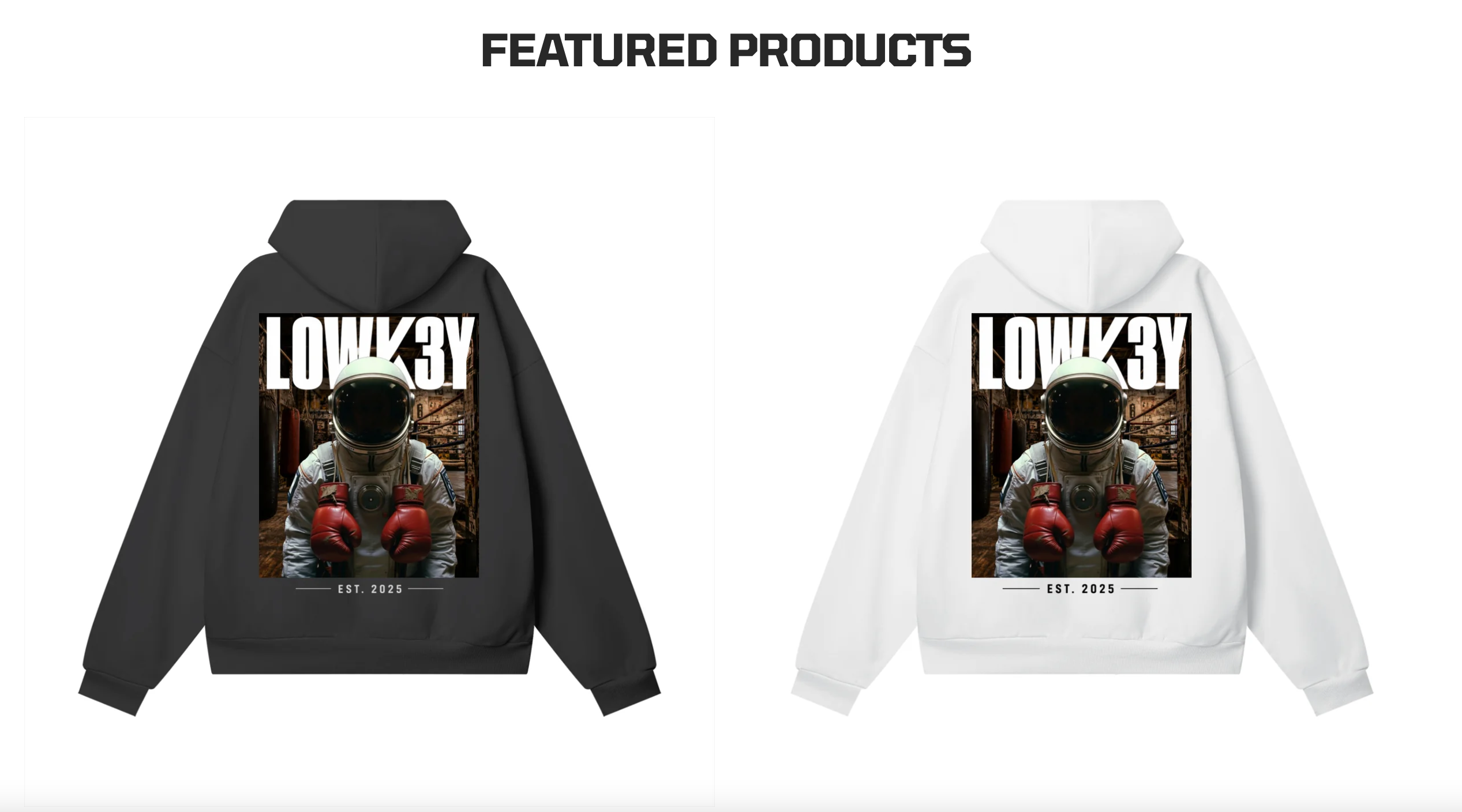
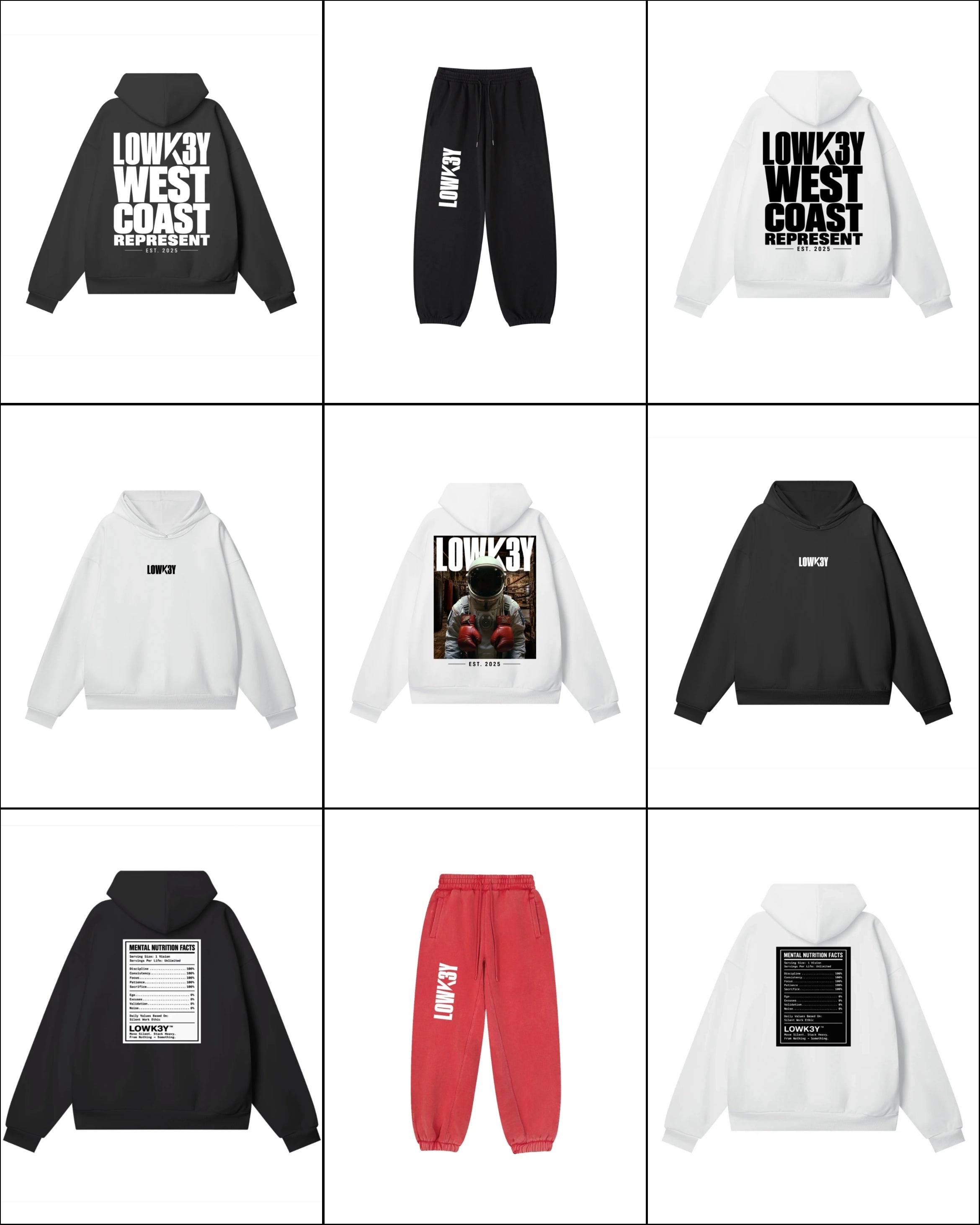
LOWK3Y approaches the hoodie as more than seasonal clothing: a heavyweight marker of focus, built to be worn by people making something from nothing. That standard is worth carrying into every purchase, no matter whose label is on the piece.
Let Your Collection Tell the Truth
The best collections do not look assembled overnight. They reveal taste, patience, and the willingness to leave distractions on the rack. You do not need every drop. You need the pieces that meet your standard.
Keep room for the garment that arrives at the right time, says exactly what you mean, and is built well enough to travel with you through the next chapter. Level up in silence. Let the collection speak when the work is done.