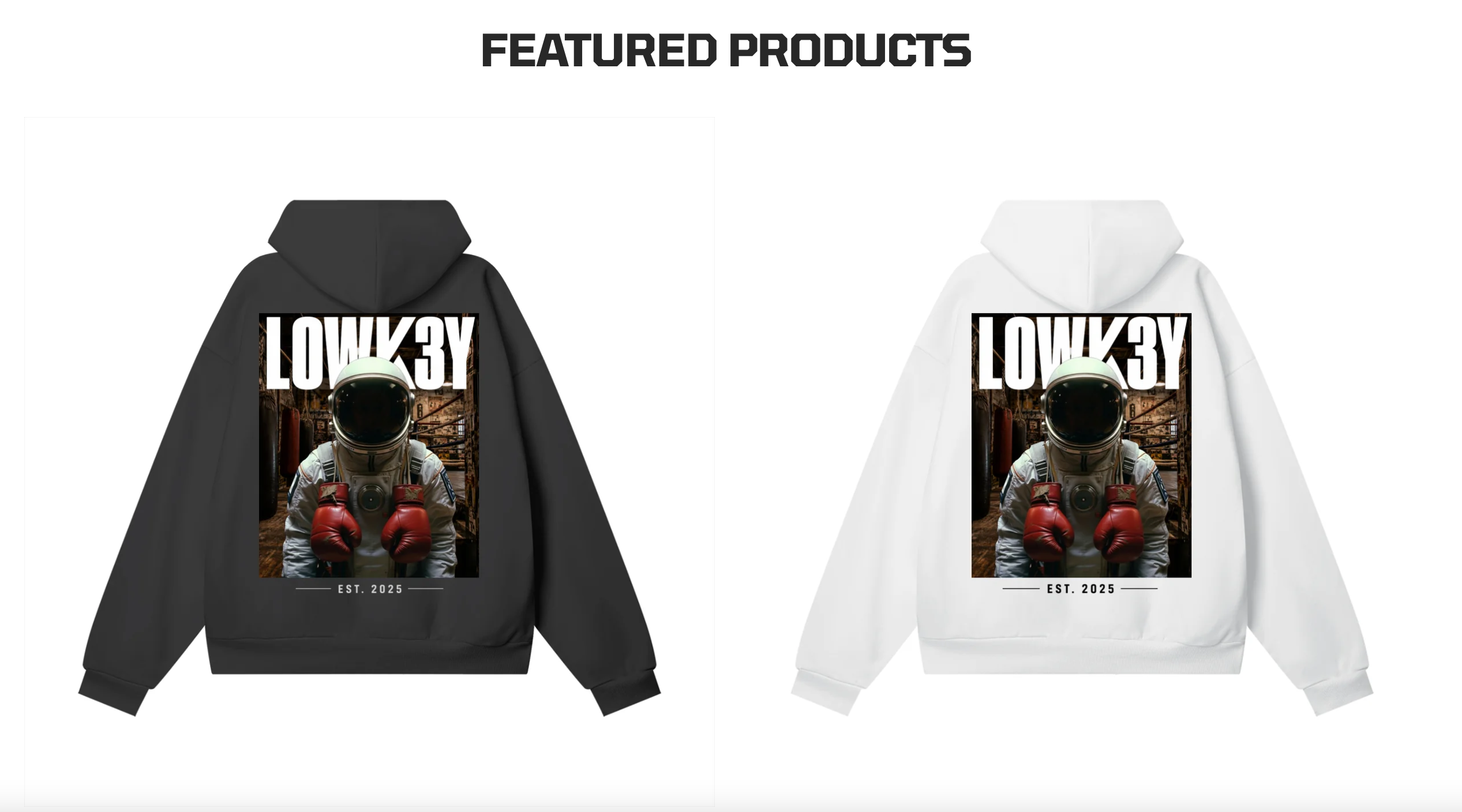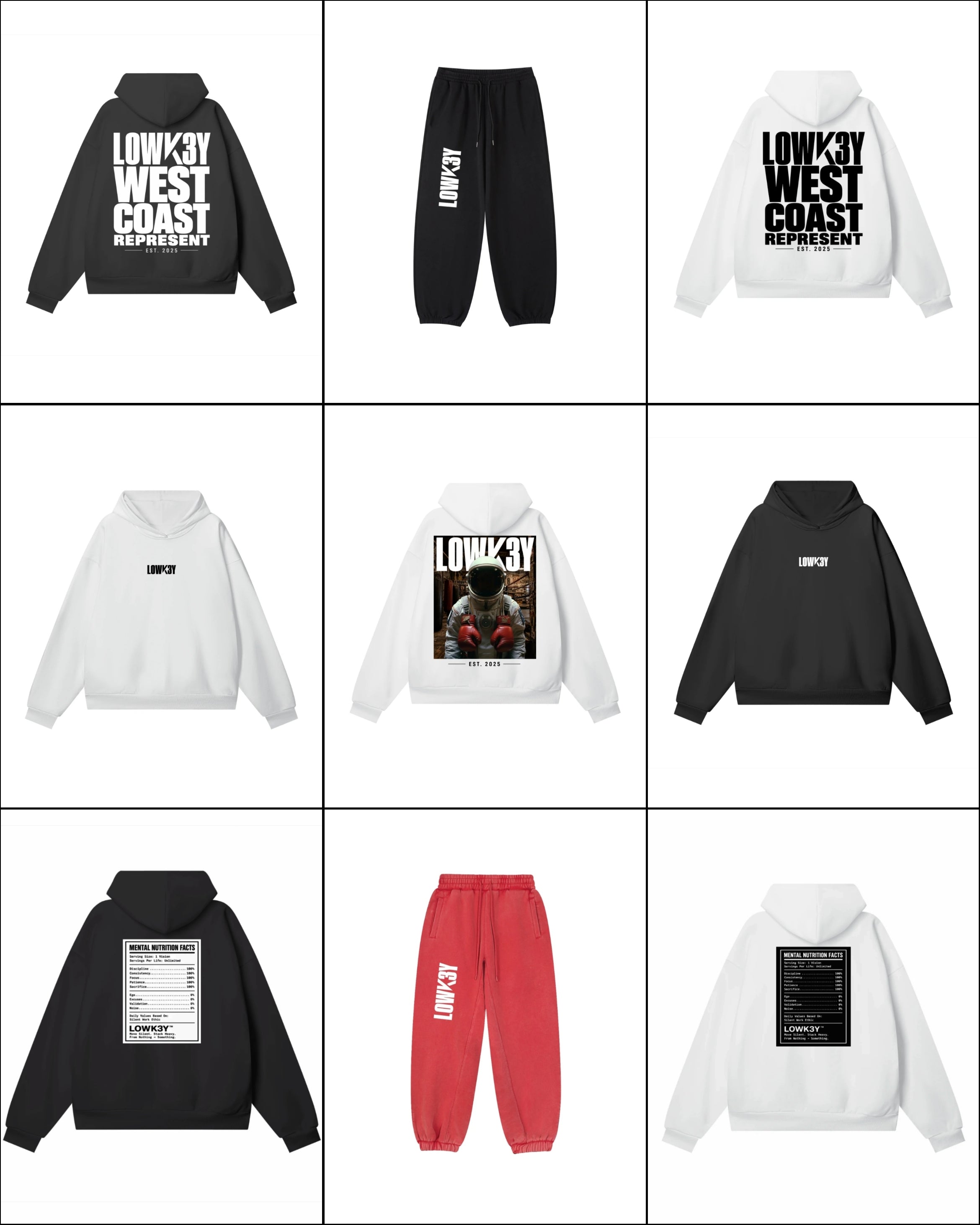


A heavyweight fleece hoodie does not ask for attention. It earns respect when somebody feels the weight, sees the structure, and recognizes that it was chosen with standards. This is the piece you reach for before the early meeting, the late studio session, the flight, the workout, or the quiet hours when nobody is watching.
Lightweight basics have their place. But a hoodie built with real substance carries a different message: you are not here for disposable. You are building something with staying power.
A Heavyweight Fleece Hoodie Is a Uniform
Streetwear has always been about more than fabric. The right garment can signal where you come from, what you value, and how you move through the world. A heavyweight fleece hoodie takes that language seriously because its presence is impossible to fake.
The weight changes the way it hangs on the body. The hood holds its shape. The sleeves feel considered. The silhouette has enough authority to stand on its own with denim, tailored pants, workwear, sweats, or shorts. It does not need a loud logo to make a point, though the right statement graphic can turn it into a piece people remember.
For self-starters, that matters. Your clothes should keep up with a schedule that does not need public approval. You may be moving between the gym, a creative session, an office, a game, a dinner, or a red-eye. A substantial hoodie makes the transition without looking like an afterthought.
Silence now. Shock them later.
Weight Is Felt Before It Is Explained
“Heavyweight” is often used loosely, so look past the label. In fleece, weight commonly refers to fabric density, often measured in grams per square meter or ounces per square yard. There is no single number that guarantees quality, but a premium heavyweight build generally feels noticeably denser than a standard mall hoodie.
More weight can mean better warmth, a cleaner drape, and greater resistance to that thin, collapsed look that arrives after a few washes. It can also create a more intentional silhouette, especially in a boxy or slightly oversized cut. That structure is a major reason heavyweight styles have become central to elevated streetwear.
Still, heavier is not automatically better in every situation. A very dense fleece can feel too warm for humid climates, crowded venues, or nonstop movement. The best choice depends on where you live, how you layer, and whether you want a daily all-season piece or a cold-weather anchor. Quality is not just bulk. It is balance.
The Fleece Makes the Difference
A hoodie can look good on a product page and disappoint the moment it reaches your hands. The fleece is where the truth lives.
Brushed fleece has a soft, insulating interior that gives the hoodie its familiar comfort. French terry is typically looped on the inside and can feel lighter, drier, and more breathable. Both have value, but they serve different purposes. If you want warmth and a plush, substantial feel, brushed fleece is usually the move. If you need a layer for cooler mornings and active days without as much heat, French terry may suit you better.
Pay attention to the outer face as well. A smooth, tightly knit exterior gives graphics a cleaner base and helps the garment feel elevated. A rough or overly thin face can make a premium design look temporary. When the artwork carries a message like “From Nothing To Something” or “No College, Still Made It,” the canvas has to match the conviction behind it.
The blend matters, too. Cotton brings softness and a natural hand feel. Polyester can add durability, shape retention, and quicker drying. A cotton-forward blend often appeals to people who want that classic, substantial streetwear feel, while a balanced blend can be practical for repeat wear. There is no universal winner. Ask whether you are buying for softness, durability, warmth, or all three.
Fit Should Look Intentional, Not Accidental
A heavyweight hoodie has enough fabric to become sloppy if the proportions are wrong. That is why fit matters as much as fabric.
A boxy cut creates room through the body while keeping the overall length controlled. It gives the hoodie a modern, grounded profile and pairs naturally with relaxed denim, cargos, and straight-leg pants. An oversized fit goes further, using more volume in the chest, sleeves, and body for a stronger streetwear statement. A classic fit is cleaner and easier to layer under outerwear.
None of these is objectively superior. The question is what you want the piece to communicate. If your style is quiet and precise, a structured classic or boxy fit may carry more weight than an exaggerated silhouette. If your wardrobe leans expressive, an oversized hoodie can create the visual presence you are after.
Check shoulder placement, body length, cuff tension, and hood size. Dropped shoulders can feel relaxed without looking careless when the length is right. Ribbed cuffs and hem should recover after wear rather than stretching out immediately. And the hood should frame the head with shape. A flat, flimsy hood can make even thick fleece feel cheap.
Construction Is the Quiet Flex
The details that separate a future favorite from a one-season purchase are rarely the loudest ones. They are in the stitching, the ribbing, the pocket placement, and how the garment holds up after real use.
Look for reinforced seams in high-stress areas, substantial ribbing at the cuffs and waistband, and a kangaroo pocket that lies flat instead of pulling the front out of shape. A double-layer hood adds structure and warmth. Cleanly finished drawcords, metal hardware, hidden pockets, or carefully placed labels can raise the experience when they serve the design rather than clutter it.
Graphics deserve the same scrutiny. A strong print should feel integrated with the garment, not like an afterthought applied to a weak blank. Whether the design is bold, minimal, or art-led, it should have a reason to exist. The best graphic hoodies become personal markers. They remind you what you worked through, where you are headed, and why you refused to fold.
That is also why limited pieces matter to collectors. Scarcity alone is not culture. A restricted run becomes worth holding onto when the fabric, construction, artwork, and story all meet at the same level.
Wear It Like You Mean It
The heavyweight hoodie works because it can carry a full look without much help. Wear a dark, structured version with clean denim and boots when you want the fit to feel direct. Pair it with relaxed sweats and a five-panel cap for off-hours that still look intentional. Layer it beneath a wool coat, bomber, or work jacket when the temperature drops.
Color changes the energy. Black, charcoal, and washed neutrals are disciplined foundations that let texture and fit do the talking. Brighter colorways and bold graphics ask for fewer competing pieces around them. Let the hoodie lead. You do not need to over-style a garment that already has presence.
Care protects the investment. Wash cold, turn graphic pieces inside out, and avoid aggressive heat when possible. High heat can stress prints, shrink cotton, and weaken the soft interior that made you choose heavyweight fleece in the first place. A little discipline after purchase keeps the shape and message intact.
Built for the Long Run
A real heavyweight fleece hoodie is not about hiding behind a trend. It is about choosing a piece that feels right when the work is private and when the results become visible. LOWK3Y treats that kind of hoodie as more than seasonal apparel: it is a statement built for people turning small ideas into something larger.
Choose the fabric that fits your climate, the silhouette that fits your movement, and the graphic that fits your code. Then wear it until it becomes part of the story. Stack heavy. Keep moving.