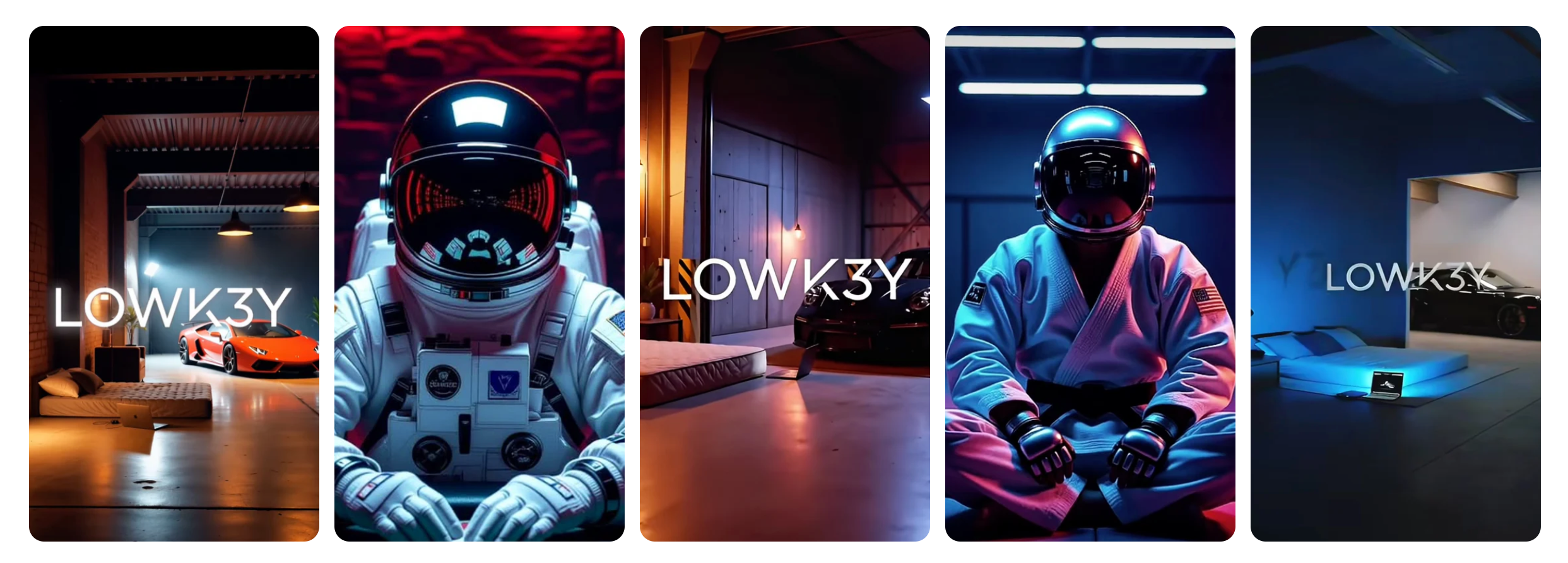


LOWK3Y isn't interested in pleasing everyone, but in creating something that resonates and feels authentic. That is not a marketing angle. It is the line between clothes made for attention and garments made for people with somewhere to go.
The loudest room is rarely where the real work happens. Progress happens after the call ends, before the sun comes up, in the hours nobody posts. The uniform for that kind of life should carry weight. Not just in ounces, but in meaning.
LOWK3Y Isn’t Interested in Pleasing Everyone
Trying to satisfy every taste is how a brand loses its point of view. One person wants quiet. Another wants louder graphics. One wants the familiar. Another wants something they have never seen. Chasing all of it produces clothing that is easy to scroll past and even easier to forget.
Real identity requires a decision. It requires saying no to the watered-down version, the rushed version, and the version designed solely to win a quick approval. A heavyweight hoodie with a statement like “No College, Still Made It” will not be for everybody. It is not supposed to be.
For the person who built their path without a traditional blueprint, that message is not decoration. It is recognition. For everyone else, it can simply be a hoodie. Both reactions are fine. The piece does not need universal permission to matter.
That is what authenticity looks like in streetwear. It is not pretending a garment has a story it never earned. It is making the story clear enough that the right person recognizes themselves in it immediately.
Resonance Is More Valuable Than Reach
Reach can be bought. Resonance has to be earned.
A logo seen by thousands may create a moment. A piece that reflects somebody's discipline, setbacks, ambition, and private wins creates a connection. That connection is why certain hoodies stay in rotation long after the drop is over. They become part of the owner's personal archive.
The difference matters. Trend-driven apparel asks, “What is everyone wearing right now?” Purpose-driven apparel asks, “What does our person need to say without explaining themselves?”
That second question has more risk. It can narrow the audience. It can mean a limited run will speak fiercely to a smaller circle rather than vaguely to everyone. But a smaller circle that believes in the message has more value than a crowd with no reason to remember it.
Collectors understand this. Scarcity is not only about a number on a product page. It is about intention. A restricted piece should feel like it was made because it had to exist, not because another season needed inventory. When the construction is considered, the silhouette is deliberate, and the statement has a pulse, the garment carries its own proof.
Built for the Ones Working Off Camera
There is a specific kind of person who does not need to announce every move. They are stacking skills, stacking capital, building a name, building a way out. They may work in finance, music, sports, design, tech, real estate, or a job that funds the bigger vision. Their lane may look different, but the mindset is familiar.
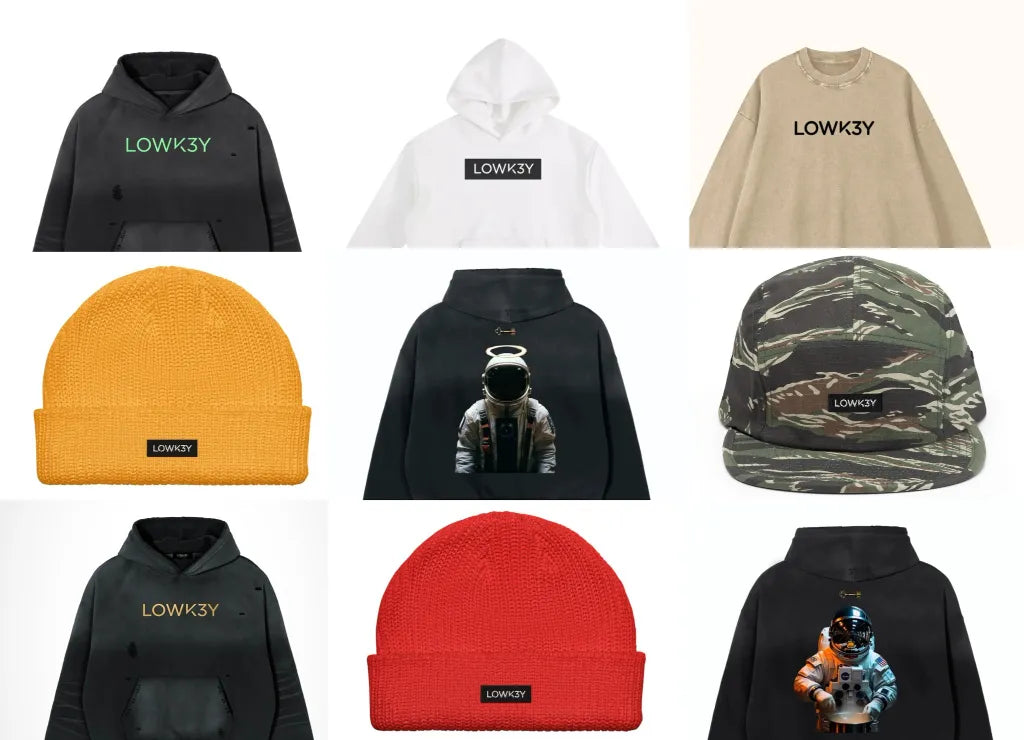
They know that confidence does not always need an introduction. Sometimes it is a heavyweight fleece hoodie, a five-panel cap, or a beanie that completes the fit without begging for attention. Clean presence. Clear message. No unnecessary noise.
This is why premium matters. Price without purpose is just a flex. Craftsmanship paired with intention is different. A well-built hoodie earns its place through its feel, structure, longevity, and the way it holds up when it becomes the piece you reach for again and again.
Not every occasion calls for a bold statement graphic. Sometimes the stronger choice is restraint. It depends on the setting, the colorway, and the person wearing it. But whether the design is direct or understated, it should never feel accidental. The details need to reflect the same discipline as the person buying it.
The Cost of Having a Point of View
A real point of view will turn some people away. That is the cost.
It may not fit somebody chasing the next viral look. It may feel too direct for someone who wants their clothes to say nothing at all. May it not be for those who seems to always want to pretend they're part of a "Counter Culture" - "I'm too cool for everything and everyone". It may be too heavy, too intentional, too limited, or too specific for mass-market expectations. Good. Not every product needs to be mass market. Lowk3y doesn't need to be for everyone, nor would we want to be, because it would only mean, we aimed to please, which is something that goes against the brands' DNA.
The brands people respect over time are rarely built by committee. They make choices. They protect the quality. They keep the message consistent even when copying the safer option would be easier. They understand that identity gets diluted one compromise at a time.
There is a balance, of course. Being selective does not mean being careless. A brand should listen without surrendering its core. Feedback can sharpen a fit, improve a fabric choice, or reveal what customers value most. But feedback should not rewrite the mission every time the room gets louder.
The goal is not isolation. The goal is alignment.
From a Small Idea to a Cultural Artifact
The best streetwear carries evidence of where it came from and where it intends to go. A hoodie can be more than a layer. It can mark the year someone took a risk, launched the business, left the comfort zone, or decided their old limits no longer applied.
That is why collectible framing matters. It asks people to see beyond the transaction. The piece becomes a timestamp. A reminder of the mentality they wore while the results were still invisible.
“From Nothing To Something” is not only a phrase for the final chapter. It belongs in the middle of the story, when the work is repetitive and the outcome is uncertain. “Run It Back” belongs to the person who did not get the result the first time and came back sharper. “East Coast Represent” belongs to a place, but also to the energy of making something out of pressure.
These statements do not need to be explained to death. The right person gets it. That is the point.
Wear What Reflects the Work
Authenticity is not about being perfect or pretending not to care what anyone thinks. It is about caring more about the right people than the widest possible audience. It is choosing materials, messaging, and limited releases with enough conviction that the wrong audience can keep moving.
The people building quietly do not need another disposable piece made for a temporary feed. They need garments that meet them where they are: focused, ambitious, unfinished, and unwilling to go backward.
Wear the piece that reflects the work nobody saw. Keep the plan private. Let the quality speak first. Silence now. Shock them later.