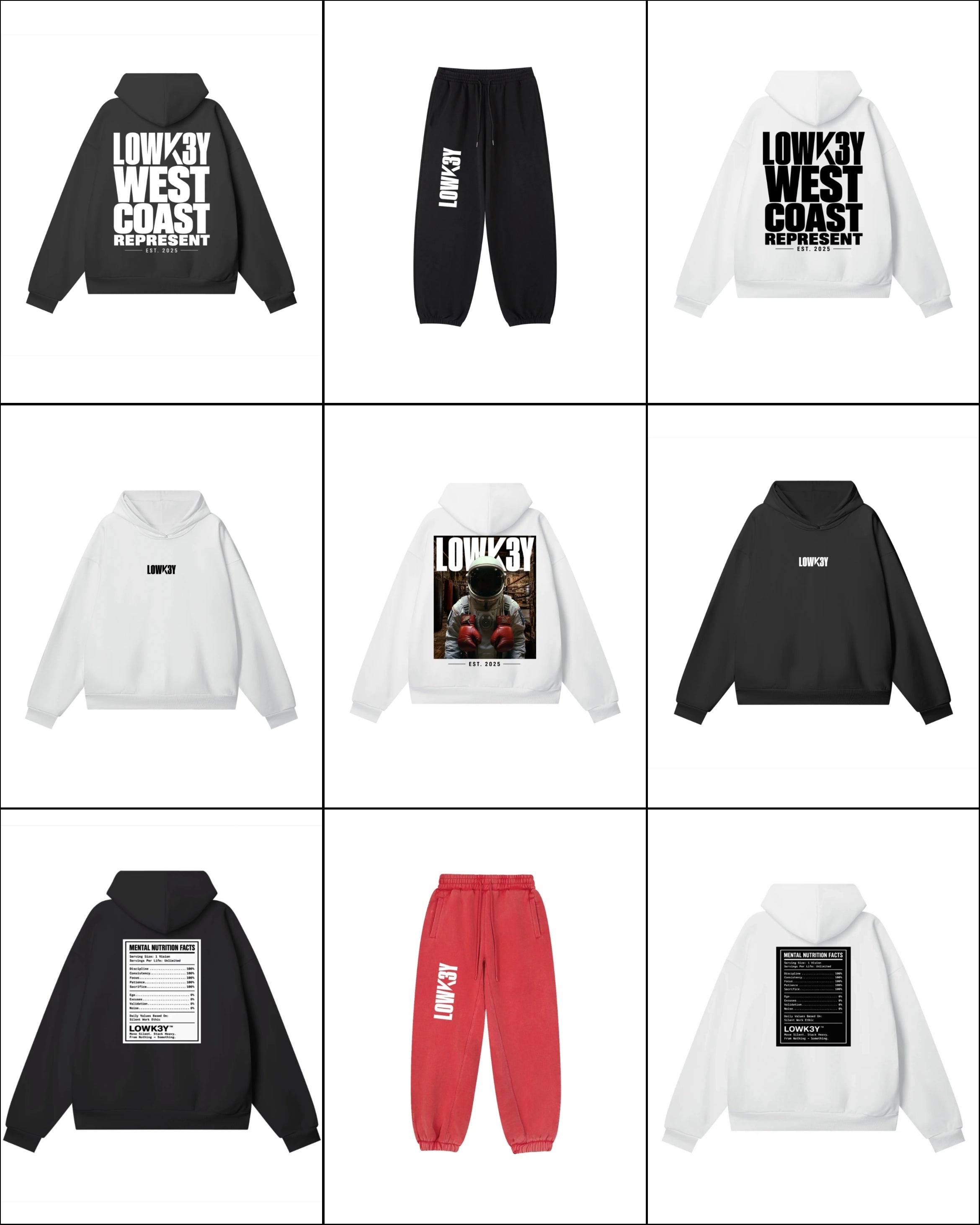


A collaboration should make people stop, look twice, and feel like they missed a meeting they were supposed to be in. That is the standard. Successful apparel collaborations are not two logos sharing a chest print. They are proof that two points of view had enough weight to create something neither side could make alone.
Streetwear has seen every version of the lazy formula: a familiar name, a rushed graphic, a limited quantity, and a countdown clock. It may sell for a weekend. It rarely earns a place in somebody’s rotation years later. Real demand comes from meaning, product conviction, and a release strategy that respects the audience’s intelligence.
The right collaboration is not noise. It is a calculated signal. Silence now. Shock them later.
Successful Apparel Collaborations Start With Shared Code
The best partners do not need identical audiences, but they need compatible codes. One brand may represent private ambition while the other is rooted in a regional music scene, a sport, an artist’s archive, or a community that built itself outside the usual gatekeepers. The surface can differ. The values underneath cannot.
Before discussing colorways or campaign images, get clear on the answer to one question: what does this partnership stand for that each party cannot say alone? If the answer is only reach, follower count, or hype, the foundation is weak. Attention is rented. Belief is owned.
A strong collaborator brings a distinct world with its own receipts. That could be an artist with an unmistakable visual language, a creative collective with local credibility, an athlete known for discipline beyond the highlight reel, or a business whose customers understand delayed gratification. The partnership should feel earned, not purchased.
For a brand built around quiet work and public results, a useful partner is not necessarily the loudest person in the room. It may be the person whose audience recognizes the hours nobody posted. That alignment turns a hoodie into more than merchandise. It becomes a uniform for people building something when no one is watching.
Make the Garment Carry the Idea
An apparel collaboration fails when the product could have been a standard blank with a logo added at the last minute. The item has to carry the concept through fabric, construction, fit, graphics, and details people discover after the purchase.
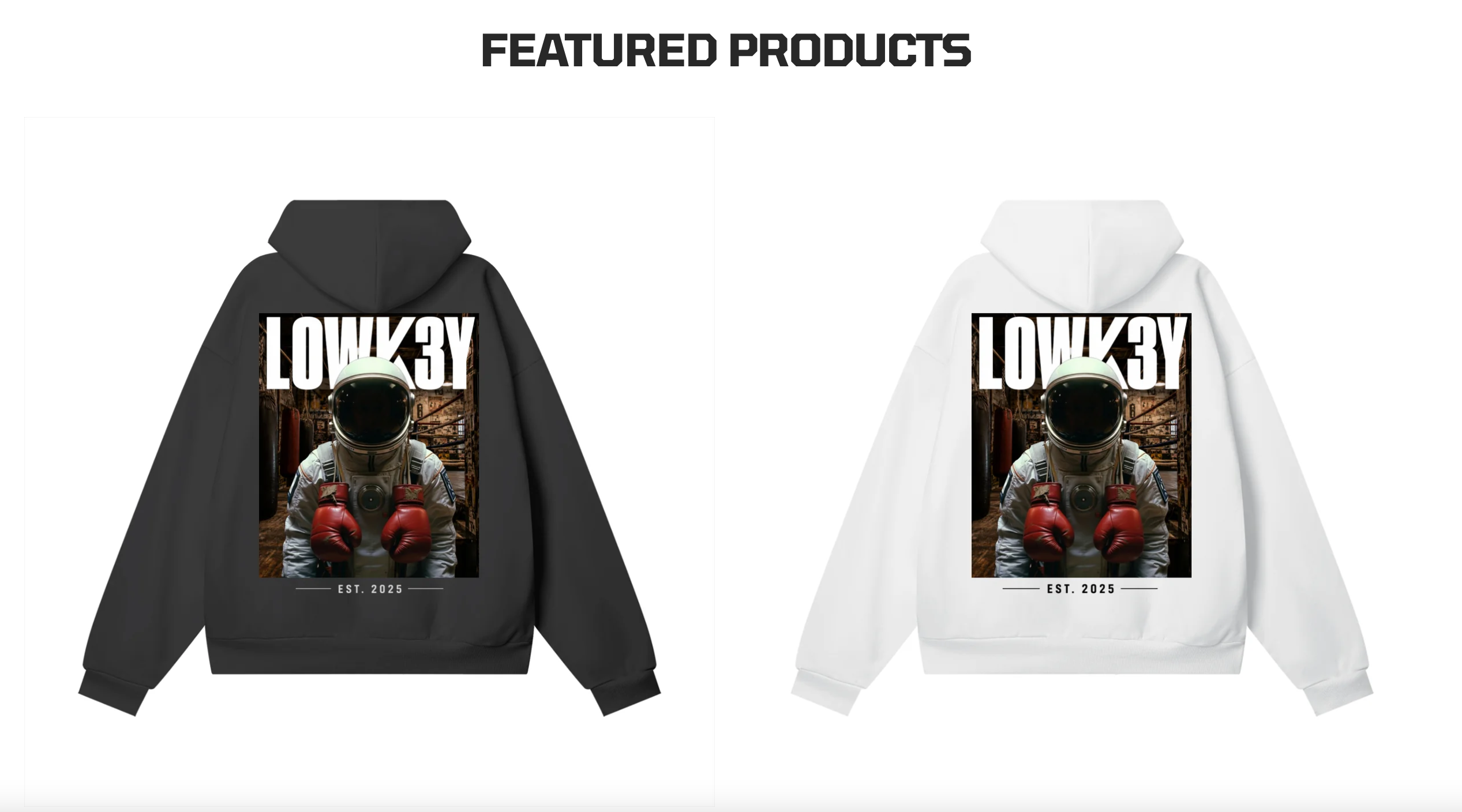
Start with the hero piece. For a streetwear brand, that is often the heavyweight hoodie because it has presence, utility, and a long life in the wardrobe. Decide what makes this version worthy of existing. Maybe it uses a denser fleece, a refined oversized cut, a zip-through construction, a hidden pocket, a custom interior message, or an intentional wash that supports the story. One considered detail can matter more than five random ones.
Graphics should also have a job. They can document a shared phrase, reinterpret an archival symbol, mark a location, or frame a statement about work, ownership, pressure, and progress. They should not just announce the participants. Names are identifiers. Design is evidence.
This is where restraint separates collectible apparel from promotional apparel. Put the collaboration names where they make sense, but do not force them into every visible space. A piece can be recognizable without being crowded. Let the silhouette, material, and message do part of the talking.
There is a trade-off here. More technical features, custom trims, and specialty treatments increase cost and production complexity. That does not mean avoiding them. It means choosing details with enough purpose to justify the price. Premium is not a number on a product page. Premium is what a customer can feel, wear, and explain.
Build the Story Before the Drop
People buy into a collaboration long before checkout. They decide whether it matters through the story surrounding it: the early sketches, the shared references, the reason the partnership exists, and the discipline behind the finished garment.
Do not manufacture a friendship or invent a mission after the samples arrive. If the connection is real, show it with specificity. Explain the city, the work ethic, the record, the moment, or the common obstacle that brought both sides together. Short statements work when they say something true. “Built after hours.” “No shortcut in the fabric.” “Two lanes. One standard.”
The campaign should preserve some tension. Reveal enough to build anticipation, but do not hand over every angle, every product detail, and every image weeks in advance. Scarcity works best when it is supported by substance. A limited run without a reason feels artificial. A limited run tied to a special fabrication, a one-time creative chapter, or a numbered edition feels deliberate.
LOWK3Y’s strongest territory is the space between unseen effort and visible proof. A collaboration in that lane should show process without turning struggle into costume. The message is not that hardship looks good. The message is that disciplined people turn pressure into progress.
Choose a Release Model That Matches the Product
Not every collaboration needs the same launch plan. A limited, art-led garment may deserve a numbered edition with a short release window. A partnership designed to introduce a new audience may benefit from a controlled preorder, especially when the construction is more complex and forecasting matters. A local event drop can work when the collaborator’s community is tied to a specific city or scene.
The release model should protect both customer trust and the product’s perceived value. If you call something limited, define what limited means. Is it 100 units? Is it available for 48 hours? Is it made only once? Clear terms prevent customers from feeling manipulated later.
Pricing demands the same discipline. A higher price can make sense for heavyweight fabric, custom development, restricted production, artist participation, and collectible packaging. But price cannot carry a weak idea. Customers in premium streetwear know the difference between a garment with weight and a price tag trying to create weight.
Subscriber access can reward people who are already paying attention. Early access should feel like recognition, not a maze. Keep the path clean: announce the story, show the hero product, state the launch terms, and make the next action obvious. Confusion is not exclusivity.
Protect the Work Behind the Names
The most overlooked part of successful apparel collaborations happens away from the camera. Get the business terms clear before the creative work gets deep. That includes design approval rights, use of names and likenesses, revenue splits, production responsibilities, ownership of final artwork, inventory allocation, content usage, and what happens if timelines move.
This is not glamour. It is respect.
A smaller brand may be tempted to give up too much just to access a larger name. A larger partner may be tempted to treat the brand as a production vehicle. Neither approach creates a lasting relationship. The strongest deals recognize what each side contributes and protect both reputations.
Quality control also deserves non-negotiable standards. Approve samples in person when possible. Check print placement, shrinkage, stitch consistency, zipper performance, color accuracy, and packaging. If the garment does not meet the promise, delay the drop. Short-term disappointment is better than long-term damage to trust.
Measure More Than Sellout Speed
A sellout is useful, but it is not the whole scorecard. Some products sell fast because the quantity was too low. Some sell slower because the price is higher, the concept is more specific, or the audience needs time to understand it. Context matters.
Look at who bought, not only how many. Did the collaboration bring in customers who fit the brand’s long-term world? Did existing customers return? Did people share the garment organically because it meant something to them? Did the partner’s audience stay engaged after the launch? Those answers reveal whether the collaboration created a real bridge or just a temporary spike.
Pay attention to the post-drop conversation too. Product photos in the wild, repeat wear, customer messages, and requests for future chapters are stronger signs than empty comments under a teaser. A collectible piece earns value when people keep giving it meaning after release day.
The best collaboration may not need a sequel immediately. Leave room for the first chapter to breathe. Let people live in it. If the next move comes, it should deepen the world instead of repeating the same logo equation with a new color.
Choose partners with something to lose, build product with something to say, and release it with standards that can survive the hype. The goal is not to borrow attention for a night. Build the piece people reach for when they are ready to show what the private work became.