

Your closet should not look like a clearance rack of past versions of yourself. A real streetwear wardrobe guide starts with a harder question: what do your clothes say when you walk in, say less, and let the work speak?
For the person building after hours, making moves without an announcement, and stacking progress where nobody can see it, style is not about chasing every release. It is about creating a uniform with presence. Heavyweight layers. Intentional proportions. A few statement pieces that carry the weight of your perspective.
The goal is not to own more. The goal is to own better.
Build Your Streetwear Wardrobe Around a Uniform
The strongest wardrobes have repetition. Not the boring kind. The recognizable kind. Think of the people whose style stays sharp in every photo: they know their colors, understand their fit, and do not let trends make every decision for them.
Start with a core palette of black, washed charcoal, cream, heather gray, navy, olive, and one personal power color. These shades work together without asking for attention, which gives your bolder graphics and rare pieces room to land. If every garment is loud, nothing is memorable.
Your uniform might be a heavyweight hoodie, straight-leg denim, and clean sneakers. It might be an oversized tee under a structured jacket with relaxed trousers. It might be a zip-through hoodie, fitted cap, and utility pants. The formula is yours, but it should be repeatable enough that getting dressed feels like preparation, not performance.
Private work. Public presence.
Start With Weight, Fit, and Fabric
Streetwear can look expensive without being expensive, but it cannot look intentional if the fabric collapses, the fit fights your frame, or the details feel disposable. Prioritize the pieces you touch most often: hoodies, tees, pants, outerwear, and headwear.
A heavyweight fleece hoodie is more than a cold-weather layer. It creates structure at the shoulders, hangs with purpose through the body, and holds its shape through real wear. That weight matters when you are standing in line, sitting in a studio, moving through an airport, or stepping into a meeting where everybody is reading the room before introductions happen.
Fit is personal, not universal. Oversized does not mean shapeless. A good oversized hoodie should feel deliberate through the chest and sleeves, with enough length to layer but not so much that it swallows the entire outfit. If you prefer a closer fit, keep the shoulders clean and the hem controlled. The piece should move with you, not look borrowed from somebody twice your size.
With pants, balance is everything. A roomier hoodie pairs well with straight, relaxed, or lightly tapered bottoms. Skinny jeans can work, but they often make heavyweight tops look top-heavy. Wider pants need a considered shoe and a cleaner upper half so the silhouette does not lose direction.
Do not ignore construction. Dense ribbing, durable seams, substantial drawcords, lined hoods, hidden pockets, and quality zippers are quiet signals. They are the difference between a garment made for a quick photo and one built to live in.
The Five Pieces That Carry the Rotation
You do not need fifty items to dress like you have standards. You need a dependable rotation that covers daily movement, colder nights, travel, work, and the moments when the fit needs to make a statement.
A heavyweight hoodie is the anchor. Keep one in a neutral color for constant wear, then add one graphic version that says something you actually stand behind. A statement does not have to scream. It can speak to resilience, independent thinking, or the kind of progress that happened before anyone was paying attention.
Build around it with these essentials:
- Two to four premium tees in neutral shades, with at least one slightly heavier option that holds its shape.
- One pair of dark straight-leg jeans and one pair of relaxed utility pants or quality sweats.
- A clean outer layer, such as a work jacket, varsity-inspired piece, overshirt, or technical shell.
- A rotation of restrained footwear: clean low-profile sneakers, a more substantial everyday sneaker, and boots or a durable shoe for colder months.
- Headwear with purpose, including a five-panel cap, fisherman beanie, or oversized cuffed beanie that suits your face and the season.
Use Statement Pieces Like Receipts
A graphic hoodie should feel like a receipt for the mindset behind it. It should not be random decoration or a logo placed on fleece because there was empty space to fill.
Choose graphics that connect to your own story. Maybe you took an unconventional path. Maybe you started with limited resources. Maybe your wins came from repetition, risk, and refusing to wait for permission. The right message gives people a read on you without requiring a full explanation.
The trade-off is simple: the louder the piece, the quieter everything around it should be. Let a bold hoodie lead with dark denim, clean sneakers, and minimal accessories. Pair a graphic tee with an open overshirt and simple pants. Do not make every item compete for first place.
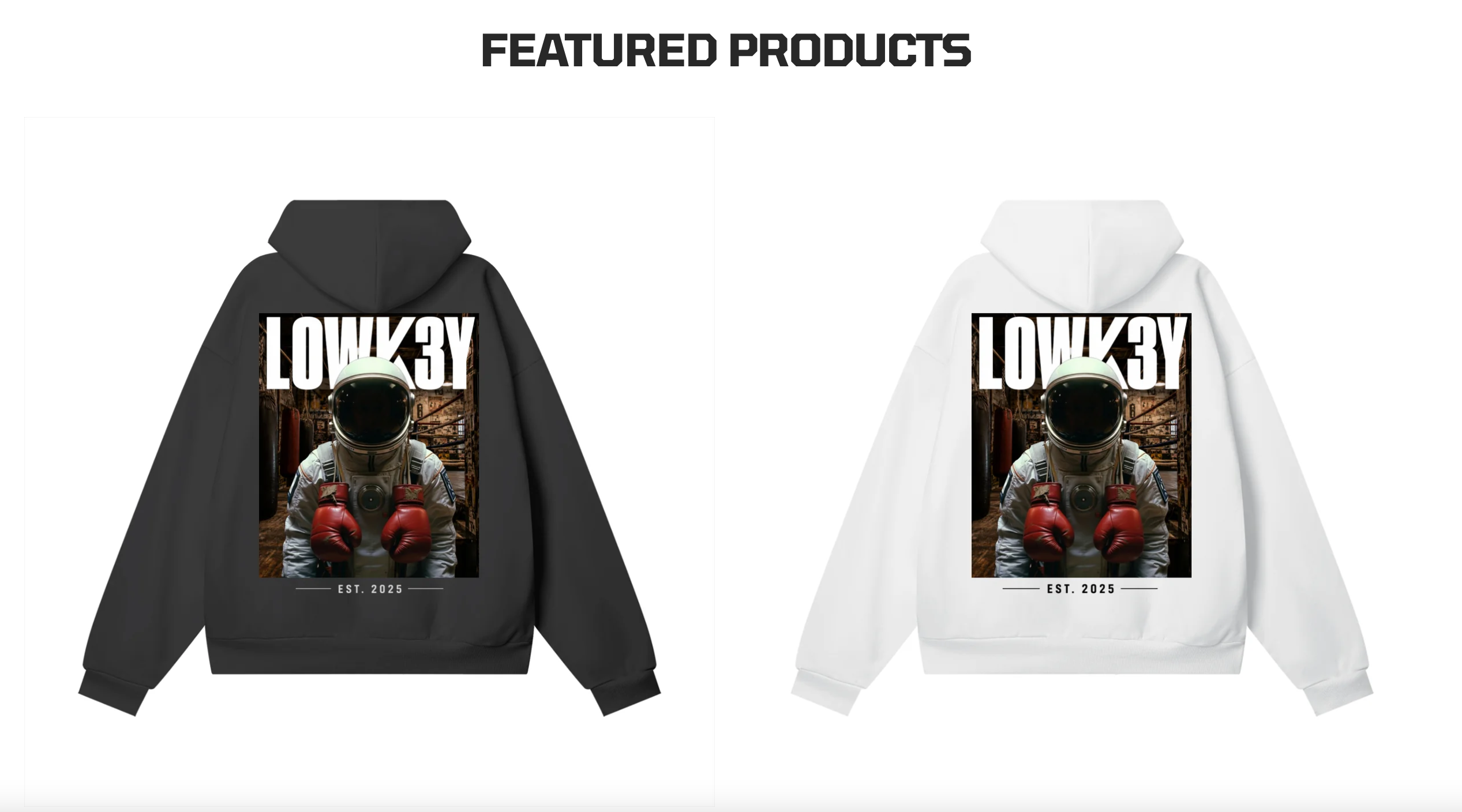
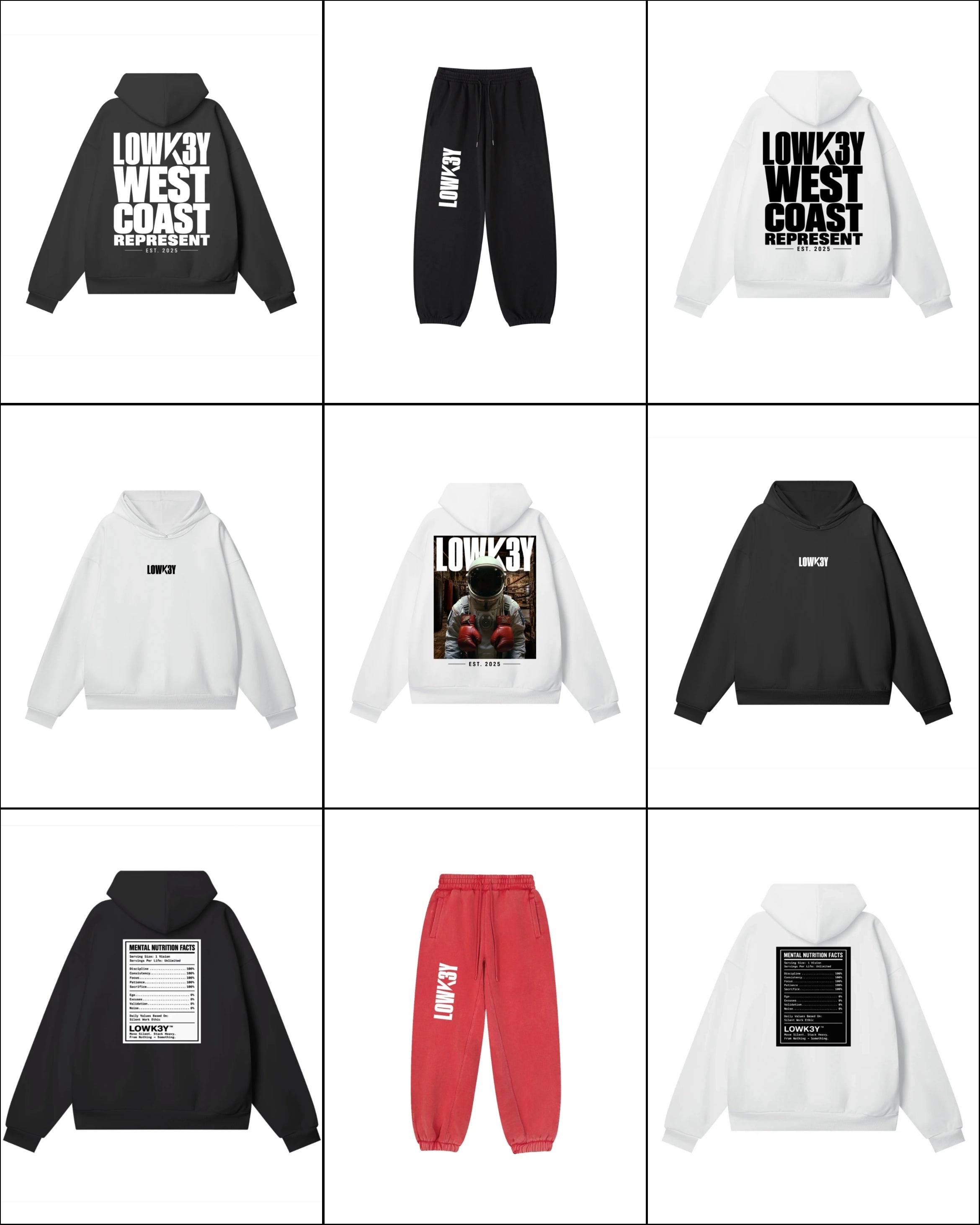
At LOWK3Y, the hoodie is treated as more than seasonal apparel. It is a piece of the uniform - crafted with intention, built for repeat wear, and designed to carry a point of view. That is the standard to bring to every statement item you buy. If it does not represent something, it will probably stay buried in the closet.
Get the Proportions Right Before Buying More
Most wardrobe problems are not caused by a lack of clothes. They come from bad proportions, rushed purchases, and pieces that only work in one imagined outfit.
Before adding anything, ask whether it works with at least three pieces you already own. A new hoodie should pair with your denim, your sweats, and your preferred pants. A cap should work with more than one outer layer. Sneakers should not require an entirely new color story to make sense.
Watch your hem lines. A tee hanging far below a cropped jacket can look intentional, but only if the pants and shoe shape support it. A hoodie under a jacket needs enough room in the shoulders to avoid bunching. When layering, each visible piece should have a reason to be there.
Photos help. Take quick mirror shots of outfits you wear and review them later. You will notice patterns fast: which pants make you look sharper, which hoodie length works best, which colors consistently pull their weight. Style improves when you study your own results instead of copying somebody else's look frame for frame.
Buy Less, Wear Harder
Limited drops and collectible garments can bring real energy to a wardrobe, but scarcity alone is not quality. Do not buy a piece just because it may disappear. Buy it because you can see it becoming part of your rotation, aging well, and holding meaning after the launch-day noise fades.
Spend where wear happens. A premium hoodie that gets worn twice a week can be a smarter investment than several cheap layers that lose shape after a season. The same goes for outerwear, pants, and shoes. Cost per wear is not an excuse to overspend. It is a reminder to choose pieces with a job.
Care is part of the flex. Wash heavyweight fleece inside out in cold water, avoid aggressive drying, and give structured garments space instead of cramming them into a packed drawer. Keep caps in shape. Clean your footwear before it becomes a project. A disciplined wardrobe reflects disciplined habits.
Make It Yours, Then Repeat It
Streetwear works best when it feels lived in, not assembled for approval. Keep the pieces that make you stand taller. Retire the ones that looked good only under store lighting or in a single social post. Let your rotation get tighter as your standards get higher.
You do not need to announce the mission on every layer. Build a wardrobe that carries the evidence anyway. Level up in silence. Wear the work. Let the results finish the conversation.