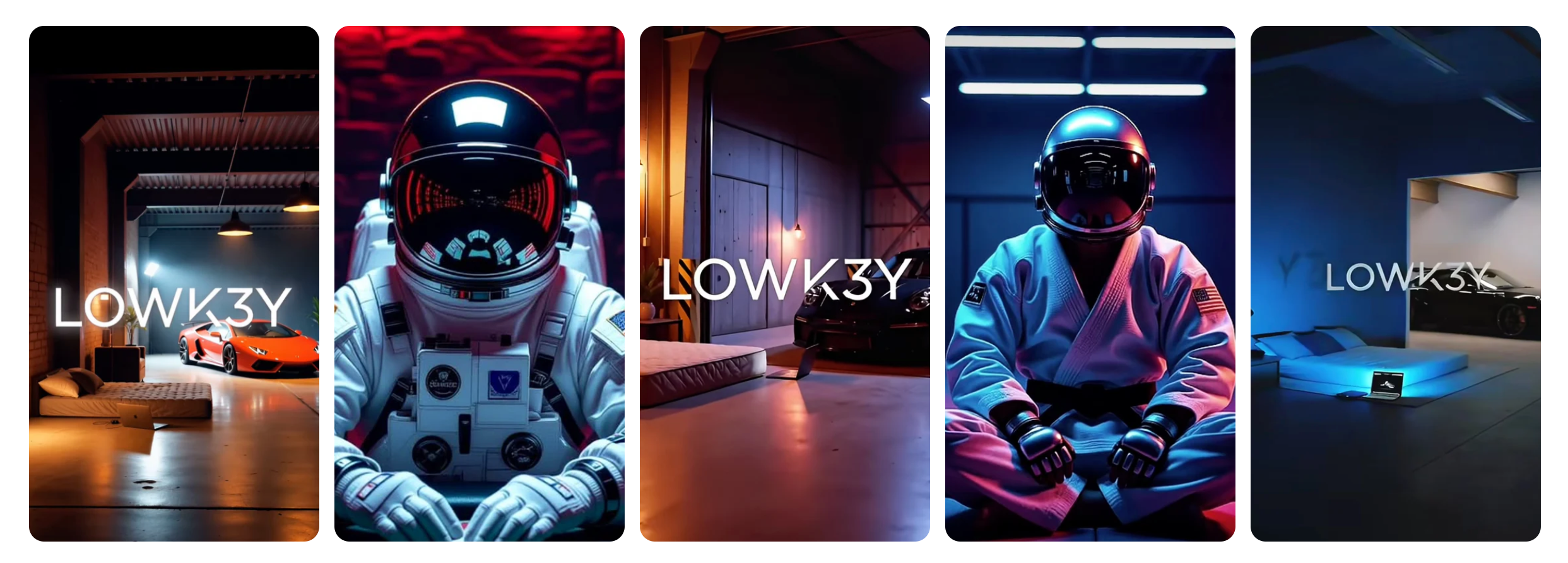


Nobody remembers a hoodie because an ad told them to. They remember the piece that showed up when the work was still private, the money was still being built, and the plan did not need outside approval. LOWK3Y aims to be in the conversation as one of the top streetwear brands of all time, but that kind of position is never handed out because a logo is loud or a drop sells fast. It has to be earned, piece by piece, year by year.
The all-time brands are not just worn. They become part of the record. They give people a uniform for a certain season of life, a mindset, a city, a win nobody else saw coming. The goal is not to imitate the names that came before. The goal is to build a lane with enough conviction that it cannot be ignored.
What puts a streetwear brand in the all-time conversation
Streetwear has always been bigger than fabric. It began with people making culture where they stood - on boards, in studios, at courts, in neighborhoods, backstage, and in bedrooms with a small idea that refused to stay small. The best labels understood that clothing was a signal. You wore it because it said something before you did.
That still matters. Maybe it matters more now, when almost every trend can be copied, produced, and forgotten in a few weeks. A real streetwear brand needs a point of view that survives the scroll. It needs garments that feel worth reaching for again. It needs to mean something to the person who bought it before it can mean something to everybody else.
All-time status lives where four things meet: a recognizable identity, product that holds up, cultural timing, and patience. Miss one, and the momentum can disappear. Strong graphics without quality become disposable. Premium construction without a message can feel cold. Hype without discipline burns hot, then burns out.
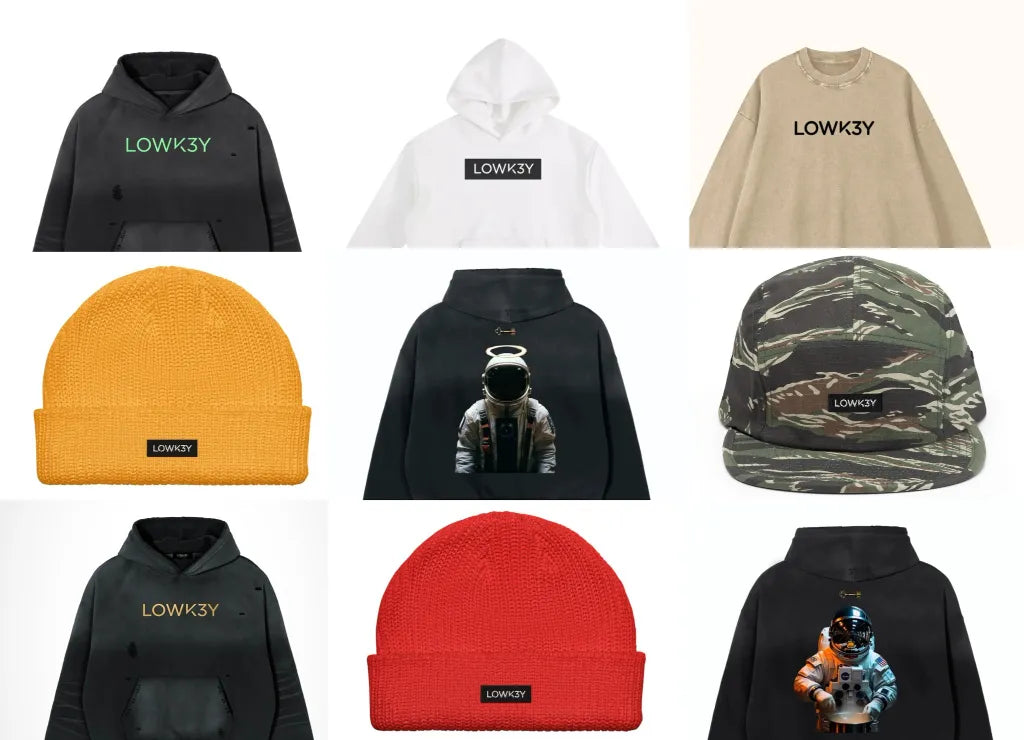
The standard is higher for an elevated label. A customer paying premium prices is not buying another basic layer. They are buying weight, fit, detail, limited access, and the feeling that the garment has a place in their story. That is why every boxy fleece hoodie, zip-through, five-panel cap, beanie, and collectible art-led piece has to carry itself with intention.
The aim is bigger than a viral moment
A viral post can create attention. It cannot create legacy by itself.
The mission is to make pieces that stand for private progress. "From Nothing To Something" is not decoration for someone who has been through it. "No College, Still Made It" is not a line for shock value. It is a statement for the builder who took a different route, learned in real time, and made the result speak. "East Coast Represent" carries the same kind of pride: grounded, direct, and impossible to fake.
These messages are meant to be worn with purpose, not treated like temporary captions. They speak to the entrepreneur making calls after work, the creative working while everyone sleeps, the athlete chasing the next level, and the person stacking capital without broadcasting every move. Silence now. Shock them later.
That identity has to stay clear as the collection grows. There is a trade-off here. Chasing every microtrend might bring a quick spike in sales, but it can weaken the reason people trusted the brand in the first place. Staying focused can mean saying no to easy ideas. It can mean taking longer to release. That discipline is the point.
Build garments people want to keep
Streetwear pride returns when the product gives people a reason to care after the first wear. A heavyweight hoodie should feel substantial when it lands in your hands. A boxy cut should look intentional, not accidental. A cap should finish the fit without looking like an afterthought. The physical experience must match the statement on the chest.
This is where elevated streetwear separates itself from mass-market graphic apparel. The work is in the silhouette, the fleece, the fit, the print execution, the details that do not need a speech. The wearer notices. Collectors notice even more.
Not every piece needs to scream. Some garments earn their presence through clean placement, a strong colorway, or a small mark that only people paying attention recognize. Others should hit harder. A bold statement hoodie has a different job than a quiet limited-edition Moon Man design. Both can belong in the same world when the purpose is clear.
The goal is range without confusion. Give the person building a sharper everyday rotation something they can wear often. Give the collector a piece that feels like a cultural artifact from a specific moment. Give the next generation their own entry point without watering down the message. Built to last means more than surviving the wash. It means surviving changing tastes.
Scarcity only works when it has substance
Limited drops create energy because they ask people to make a decision. But scarcity by itself is cheap. If every product is called rare, nothing feels rare. If a release disappears only to return unchanged every month, customers can see through it.
Real exclusivity comes from restraint. Restricted quantities should reflect a deliberate decision about production, design, and collector value. The people who secure a piece should feel they got something with a story, not that they merely won a race to checkout.
That means not every release needs the same size, the same timing, or the same level of access. Some designs deserve to remain tightly held. Some should establish the core wardrobe and stay available longer because they represent the foundation. It depends on what the garment is built to become. A staple needs consistency. An artifact needs a moment.
There is also responsibility in premium pricing. A higher price has to be supported by what the customer can touch, wear, and remember. Better construction, stronger fit, thoughtful packaging, restricted availability, and an identity with real conviction all matter. People will invest in pieces that make them feel seen, but they will not keep investing in empty promises.
Culture cannot be manufactured from a content calendar
Instagram can amplify a movement. Email can reward the people paying attention. Launch promotions can put a new drop in front of the right audience. Those are tools, not the culture itself.
Culture comes from the people who choose to wear the message when there is no camera around. It grows when a hoodie becomes the piece someone throws on before an early flight, a late studio session, a business meeting, or a night out after a personal win. It grows when people recognize the mindset behind it and feel like they are part of something earned.
That is why community should not be treated like an audience metric. The strongest supporters are not just customers. They are the ones who understand the code: work in private, move with intention, do not beg for validation, and let the results change the conversation.
A New York headquarters and future physical locations can eventually make that code tangible. The right space would not be a generic store filled with racks. It would be a home base for the people building from the ground up, a place where product, art, ambition, and city energy meet. Expansion matters when the foundation is ready, not because growth looks good on paper.
Make the future answer to the past
To be mentioned beside the greats, a label has to respect what made streetwear powerful in the first place: independence, specificity, risk, and belief. But it also has to make something new for people who are tired of wearing borrowed identities.
The strongest path is not to chase approval from fashion gatekeepers or wait for a bigger brand to make the work feel legitimate. Keep making the kind of garments that reward focus. Keep the standards high. Keep the message sharp. Stack heavy. Level up in silence.
The conversation will come when enough people can look at the pieces, the community, and the years of disciplined execution and say the same thing: this was never just clothing. It was proof that a small idea can become an empire.