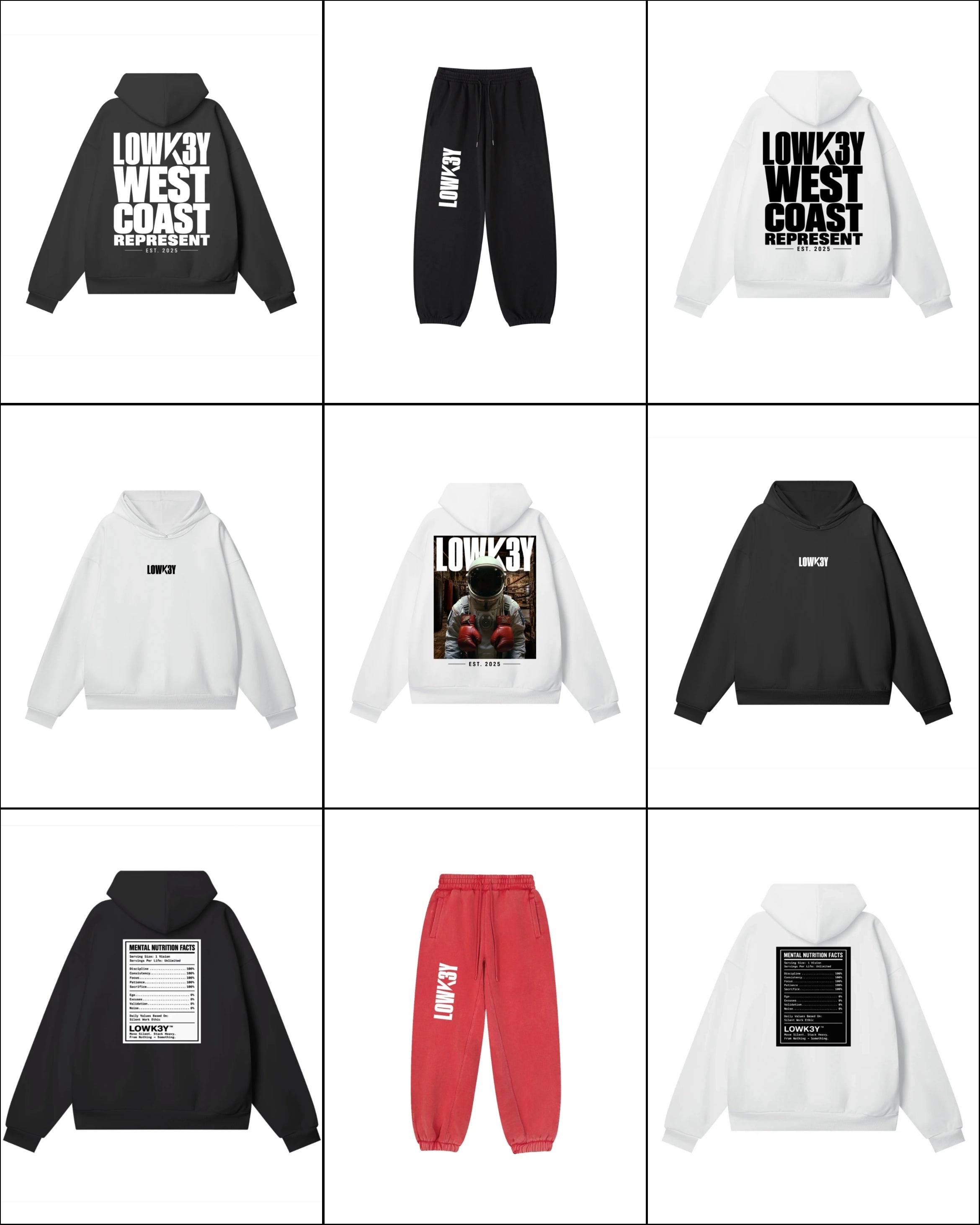


A hoodie is not valuable because a countdown clock told people to want it. It matters when the weight feels right, the message carries something real, and the people wearing it recognize the work behind it. That is where drop culture earns its place. Not as a trick to create panic, but as a way to give product a moment, a meaning, and a reason to exist.
For people building quietly, a limited release can feel familiar. You do not show every move while it is happening. You put in the work, protect the vision, then let the result speak when it is ready. A proper drop follows that same discipline.
Drop Culture Is Built on Intention
The word "drop" gets used loosely. A new colorway arrives every week, a brand calls it exclusive, and the urgency is supposed to do the rest. But constant availability dressed up as scarcity is easy to spot. It trains customers to wait for a discount, not to respect the piece.
Real drop culture starts earlier than launch day. It begins with a point of view. What does the garment say? Why this graphic, this fabric, this fit, this moment? A heavyweight hoodie with a statement like "From Nothing To Something" should not feel like a temporary social post printed on fleece. It should feel built for the person who lived that line before they wore it.
That is the difference between merchandise and a cultural artifact. Merchandise fills a rack. An artifact holds a story.
Limited quantities can reinforce that story, but they cannot create it on their own. If a release is restricted, the product has to justify the restriction through construction, design, and purpose. Premium fleece, a considered silhouette, hidden details, and a graphic with conviction give people something worth holding onto after the notification is gone.
Why Scarcity Still Works When It Is Earned
Scarcity gets criticized because it can be manipulated. Fair. A brand that manufactures urgency without delivering quality is borrowing attention it has not earned. The customer pays first and discovers later that there was nothing beneath the hype.
But earned scarcity is different. A small run can protect creative focus, reduce waste, and keep a collection from becoming diluted. It gives a designer room to make a stronger decision instead of making every decision safe enough for everybody. It also respects the buyer who does not want to see the same piece copied into every mall, feed, and clearance section six months later.
There is a trade-off. Limited drops can frustrate people who genuinely want in, especially when bots, resellers, or poor communication get in the way. The answer is not to abandon the model. The answer is to run it with standards. Be clear about timing. Build an email list that rewards real supporters. Release enough information for people to make an informed decision. Make the experience feel considered, not confusing.
Exclusivity should feel like access to a shared code, not a closed door with no one behind it.
The Best Drops Do Not Beg for Attention
A weak release shouts because it has no center. It relies on endless teasers, fake sellout language, and a pile of content that disappears by next week. A strong release can be quieter. It lets the product carry pressure.
That does not mean brands should disappear and expect the audience to do all the work. It means every image, caption, and preview should build the same world. Show the texture. Show the fit. Show the detail people will notice in person. Let the words around the piece say something with backbone.
The audience for elevated streetwear is not only buying a logo. They are reading the signal. A five-panel cap, an oversized beanie, or a heavyweight zip-through becomes part of a uniform. It tells people you value substance, have your own lane, and do not need permission to move with intention.
The strongest brands understand that the product is the lead character. Marketing sets the scene. It should never have to rescue a forgettable garment.
Product Has to Survive After the Hype
A drop lasts minutes. A piece should last years.
That is the test. After the sold-out post, after the unboxing video, after people move onto the next release, does the hoodie still earn its place? Does it keep its shape? Does the fleece feel substantial? Does the print remain sharp? Does the statement still feel true when the wearer has a rough week, lands a new contract, starts a business, or finally sees the first result of years of effort?
This is why quality is not separate from culture. It is culture. Cheap construction tells customers the moment mattered more than they did. Thoughtful construction tells them the opposite.
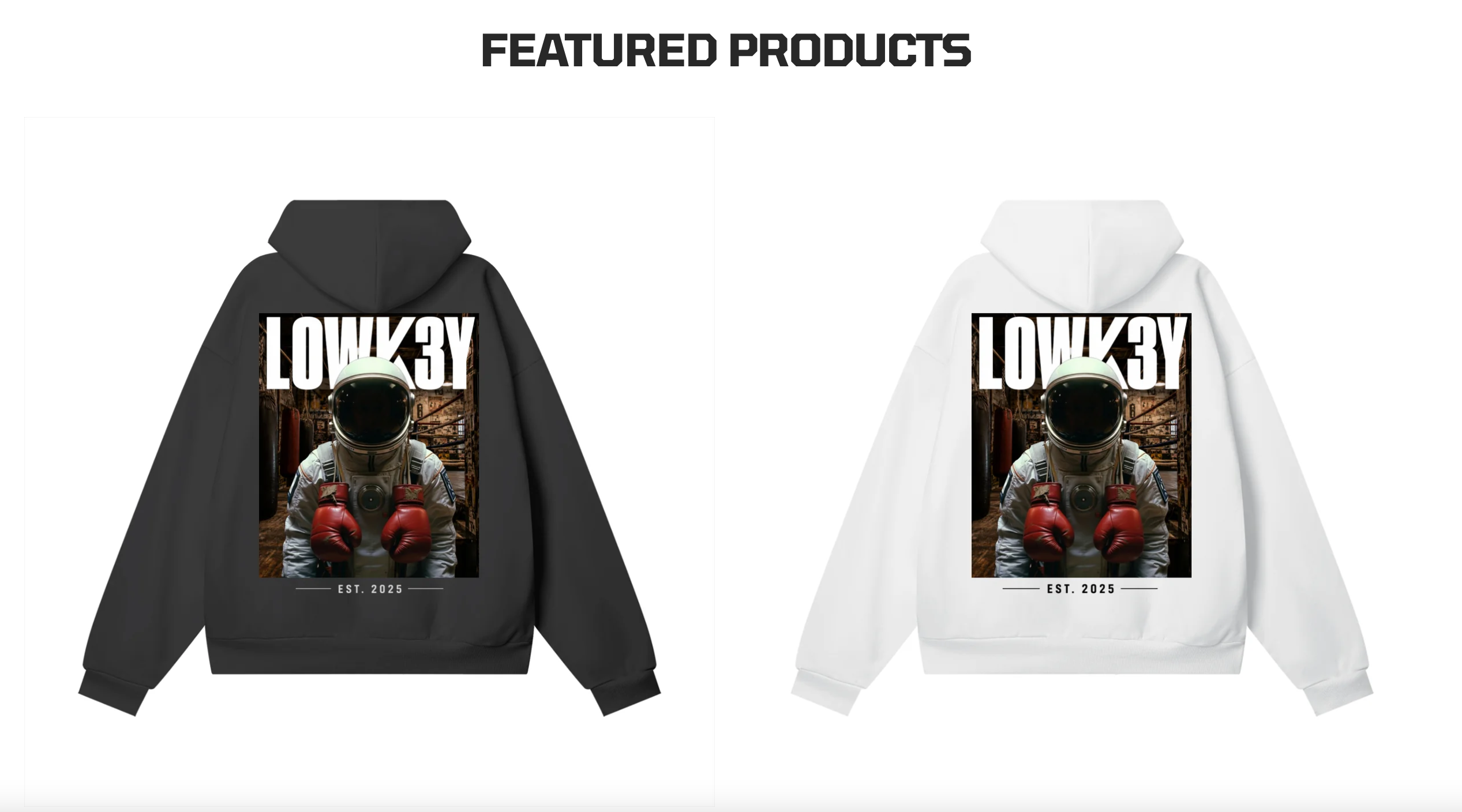
At LOWK3Y, the hoodie is not an accessory to the brand identity. It is the identity in physical form: heavy, direct, built with purpose, and made for the ones stacking progress when nobody is watching.
Drop Culture Gives People a Reason to Pay Attention
When everything is always available, nothing feels urgent. That can work for basics, replenishment pieces, and everyday staples. Not every product needs a countdown. A black tee, core headwear, or a proven fit may deserve to stay within reach because it serves a practical role in the wardrobe.
But a limited statement piece operates differently. It marks a chapter. It can document a collaboration, a new idea, a regional connection, or a message that deserves a specific frame. People remember where they were when they caught a release because the launch had a clear point in time.
That memory is part of what collectors value. They are not just collecting fabric. They are collecting evidence of taste, timing, and alignment. The piece says, "I recognized this before it became obvious." For self-starters, that instinct matters. They have often had to believe in their own direction before anyone else saw it.
A good drop gives that instinct something tangible to wear.
Community Is More Valuable Than FOMO
Fear of missing out can create a first purchase. It rarely builds a lasting relationship.
Community is what makes a customer check back, wear the piece hard, share it without being asked, and recognize another person wearing it across the city. That connection comes from consistency. The brand has to keep its word on quality, delivery, communication, and point of view. It cannot claim to represent builders while cutting corners on the details builders notice.
The community also needs room to grow. Not everyone will get every limited item. Not everyone can buy at the same price point or at the same moment. That is real life. A brand can maintain exclusivity while still respecting its people through clear releases, varied product entry points, and core pieces that stay available when it makes sense.
The goal is not to make people feel excluded for sport. The goal is to make ownership feel earned.
A Drop Should Feel Like a Receipt
The best streetwear pieces become receipts. Proof that you were present. Proof that you understood the message. Proof that you backed a vision before it had broad approval.
That does not require manufactured chaos. It requires a brand with enough discipline to say less, make better, and release only when the work is ready. No filler. No desperate volume. No chasing every trend just because the feed moved on.
Drop culture works when it protects the meaning of the product. It creates a pause in a market that moves too fast and asks people to look closer. For the wearer, that pause can become a decision: buy less, choose better, and wear something that reflects the standard you are building behind closed doors.
Keep your eye on the pieces that still mean something after the noise dies down. Those are the ones worth collecting. Silence now. Shock them later.