

A hoodie can cost $40, $140, or far more. The difference is not automatically a logo, a countdown timer, or a number stamped on the product page. Are limited hoodies worth buying? They are when the piece earns its place after the drop is over - through weight, construction, fit, message, and the way it makes you carry yourself.
Anybody can manufacture urgency. Not everybody can make a garment you reach for when the weather turns, the work gets quiet, and you need to remember what you are building. Limited is not the value. It is the pressure test.
Are Limited Hoodies Worth Buying for You?
A limited hoodie is worth buying if you want more than coverage and comfort. You are buying into a smaller run, a more deliberate design decision, and often a statement that will not be hanging on every rack in the mall six months later. For people who treat clothing as part of their identity, that distinction matters.
But scarcity alone is not a reason to spend. A hoodie with a low production number can still have thin fabric, a weak graphic, an awkward cut, or a message that feels borrowed. If it only looks good in a product photo, it is not collectible. It is just expensive merchandise with a short clock attached.
The better question is not, “Will everyone else want this?” Ask, “Will I still wear this when nobody is watching?” That is where real value starts.
Start With the Garment, Not the Hype
The strongest limited pieces begin with material. A heavyweight fleece hoodie has a presence that lightweight blanks cannot fake. It drapes differently, holds its shape longer, and feels substantial when you put it on. That does not mean every heavy hoodie is automatically better. Some are stiff, overly bulky, or lose their form after a few washes. Weight must work with construction.
Check for the details that determine whether a hoodie lives past its first season: dense fleece, clean stitching, ribbing that recovers instead of stretching out, a hood with structure, and a fit that works with how you actually dress. If you layer under jackets, an oversized cut may make sense. If you want one piece that moves from a late-night studio session to a flight to a casual meeting, a more controlled silhouette may serve you better.
Pockets matter too. Hidden pocket accents can make a hoodie more useful without changing its clean profile. Zippers should feel intentional, not like an afterthought. Prints should look integrated with the garment, not pasted on to chase a moment.
A limited release should feel built to last, not merely built to sell out.
Scarcity Has Value When It Has a Reason
Not all limited drops are created equal. Some runs are restricted because the brand is testing an idea, using a specific fabric, working with an artist, or creating a focused chapter in its story. That kind of limitation can give a piece real context. It becomes a marker of a particular season, message, or creative direction.
Other drops are limited because scarcity is the entire pitch. That is where buyers get trapped. A countdown, a “final hours” banner, and a vague promise of exclusivity do not turn average clothing into a cultural artifact.
Good scarcity feels disciplined. The brand does not have to scream about it because the product gives you evidence: considered details, a coherent point of view, and a run small enough that wearing it still feels personal. You should be able to explain why the piece exists in one sentence without mentioning how fast it sold.
For a collector, this matters even more. The best pieces mark a moment in a brand's evolution. They hold a message you connected with before it became a trend. They are not valuable because strangers approve of them. They are valuable because they document your taste, your work ethic, and the era you were in when you bought them.
The Message Should Match Your Real Life
Streetwear has always been language. A graphic hoodie can say more than a luxury monogram ever will, but only if the words feel earned. “From Nothing To Something,” “Run It Back,” or “No College, Still Made It” land differently when they reflect a life you are actually living.
That does not mean every piece needs a loud statement. Quiet ambition has its own uniform. A strong colorway, sharp typography, or small placement detail can speak just as clearly. The point is alignment. Wear what reinforces the person you are becoming, not a character you feel pressured to perform.
Before you buy, picture the hoodie in your normal rotation. Can you wear it with your everyday denim, cargos, sweats, or workwear? Does the color fit the rest of your closet? Will the message still feel true after the launch energy cools down?
If the answer is yes, the hoodie has a chance to become a signature piece. If you can only imagine wearing it for a photo, leave it alone.
Price Is a Filter, Not a Flex
Premium hoodies can sit anywhere from roughly $100 to $350, sometimes higher. That price should buy more than artificial rarity. It should reflect fabric quality, production care, design originality, limited quantities when applicable, and a brand vision with enough substance to outlast a social post.
A higher price can also be a useful filter. It slows down impulse buying and asks you to choose with intention. That is not always comfortable, but it is healthy. Your closet does not need ten mediocre hoodies that all do the same job. One heavyweight piece with presence can carry more mileage than a stack of disposable options.
Still, do not confuse a premium price with future resale value. Some limited hoodies hold demand. Many do not. Buy a garment because you want to wear, keep, and take care of it. Any resale upside should be a bonus, never the foundation of the decision.
Set a personal rule: if the price would make you afraid to wear it, it may be outside your real lane. Great clothing deserves use. The value is in the years, not in leaving it folded in plastic forever.
How to Buy a Limited Hoodie Without Regret
Move with purpose, not panic. Read the product details before the drop if they are available. Know your measurements and preferred fit. Decide your ceiling before you see the checkout screen. Limited releases reward preparation, but they punish emotional spending.
Give the piece a three-part test. First, would you buy it if there were no edition limit? Second, would you still want it without the brand name visible? Third, can you name at least three situations where you would wear it this month? If you cannot answer all three confidently, the urgency is probably doing more work than the garment.
Also consider your existing collection. A new hoodie should add a different message, silhouette, color, or use case. Repeating the same black graphic hoodie because it feels safe is not collecting. It is clutter with better packaging.
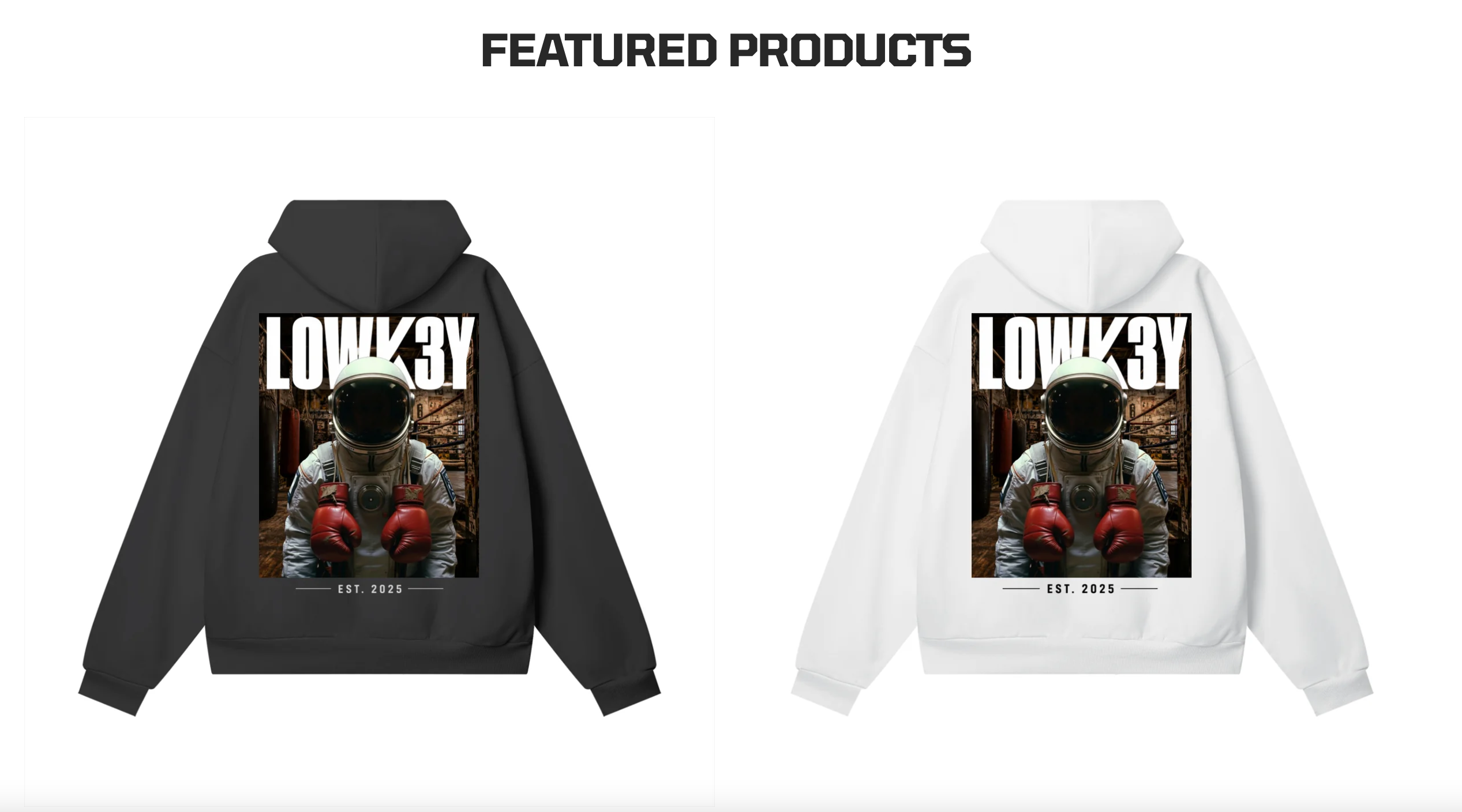
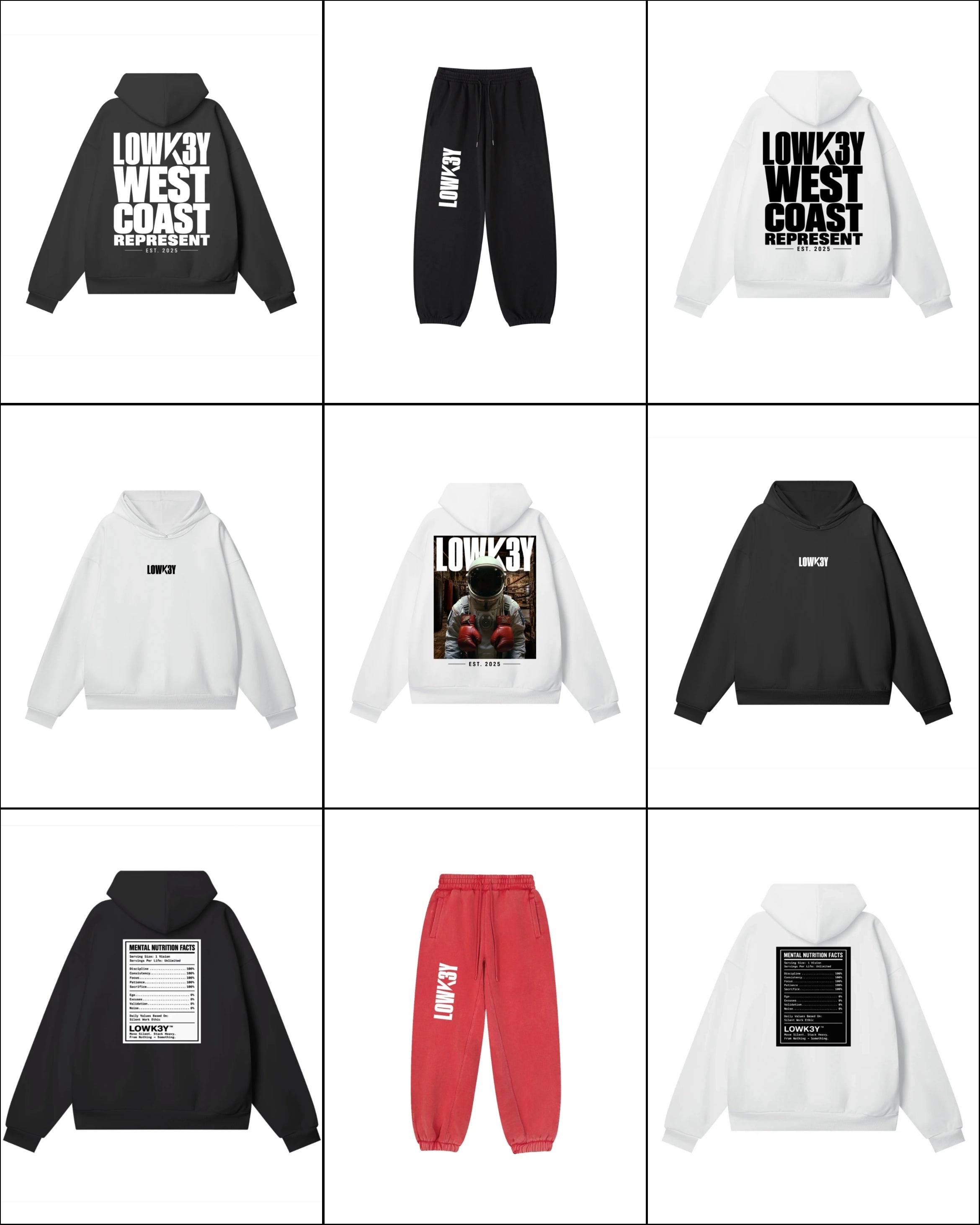
At LOWK3Y, the standard is simple: heavyweight pieces should feel like a uniform for private work and public results. That is the bar every limited hoodie should meet, whether it carries a statement graphic or lets the construction speak first.
The Best Limited Pieces Become Part of the Record
The hoodie worth buying is not necessarily the rarest, loudest, or most expensive one. It is the one that survives the first rush and keeps showing up in your life. It is worn on the early mornings, the long drives, the small wins nobody claps for yet. Over time, the fabric softens, the meaning gets sharper, and the piece becomes connected to the work.
Buy limited when the quality is undeniable, the message is yours, and the scarcity has a real reason behind it. Then wear it without apology. Level up in silence. Let the record show later.